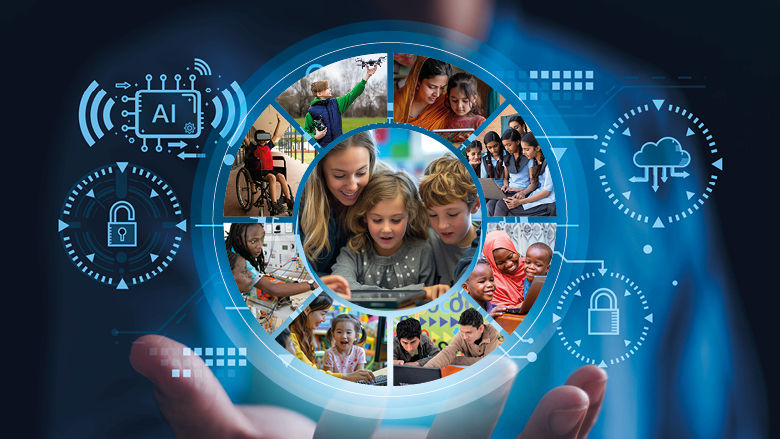
On International Day of Education, we look at why education works, and how it helps propel people out of poverty, putting economies on a path to growth.

About the People Vice Presidency:
Investing in the world’s most precious resource – people – builds human capital that drives job creation and growth.
The People Vice Presidency at the World Bank Group supports countries with their human development -- to protect and invest in people, enabling them to reach their full potential and enjoy a good quality of life.
With governments in the lead and private sector support, we’re building the foundation that underpins opportunity: education, skills, healthcare – human capital. By unlocking the full potential of women and girls, and vulnerable and marginalized groups, we’re helping countries create more jobs and drive growth. Our social protection programs provide the most vulnerable people a start on the ladder of opportunity.
By leveraging public and private sector cutting-edge knowledge, innovation and thought leadership, we’re helping countries deliver critical services and empowering people to develop to their full potential.
Operational and knowledge highlights:
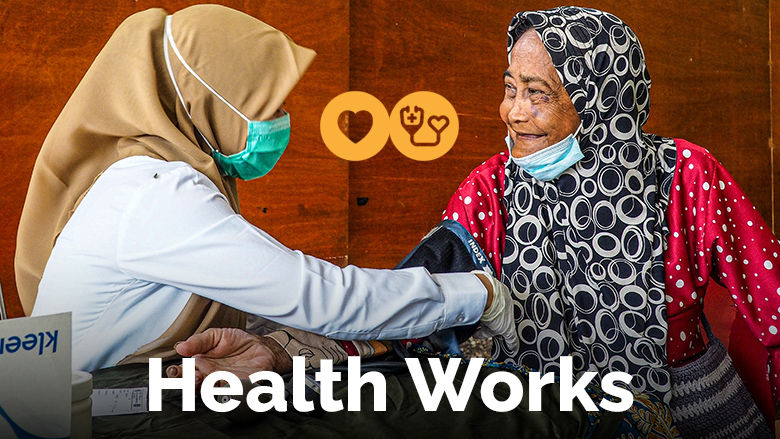
Health
We aim to provide quality, affordable health services to 1.5 billion people by 2030 through a combination of financing, knowledge and partnerships.
Our $27 billion global health portfolio includes over 160 projects that help countries take a comprehensive approach to improving health outcomes, especially for poor and vulnerable people, by strengthening primary care and key public health functions. Recent analyses and knowledge products cover topics including: health, economic growth, and jobs, health financing, tracking universal health coverage, healthy longevity, digital-in-health, health emergencies, healthcare workers, and nutrition.
Education & Skills
We aim to cut learning poverty in half by 2030.
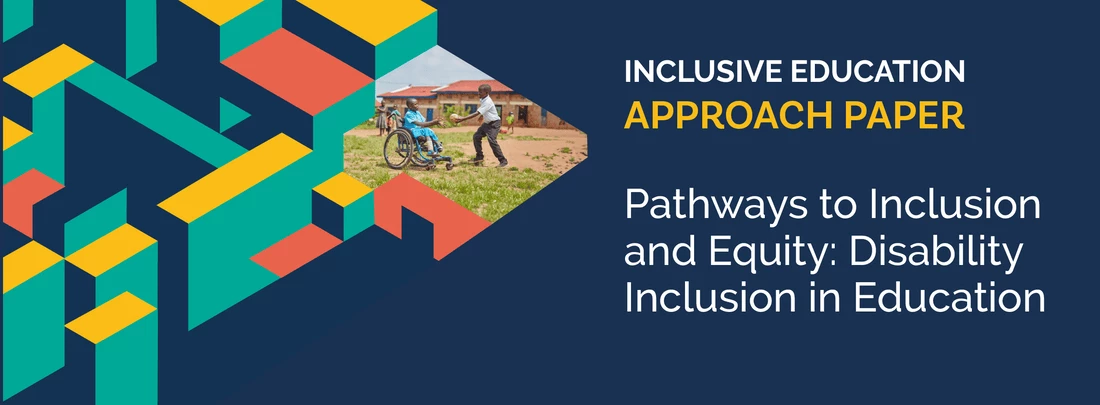
Our $26 billion global education portfolio supports resilient, equitable, and inclusive education systems that develop the human capital that will equip young people with skills to help them find jobs. Recent key analyses and knowledge products cover topics including: education for climate action, education financing, teacher effectiveness, foundational learning, COVID-19 learning losses, AI and education technology, inclusive education and vocational education.
Social Protection & Policy
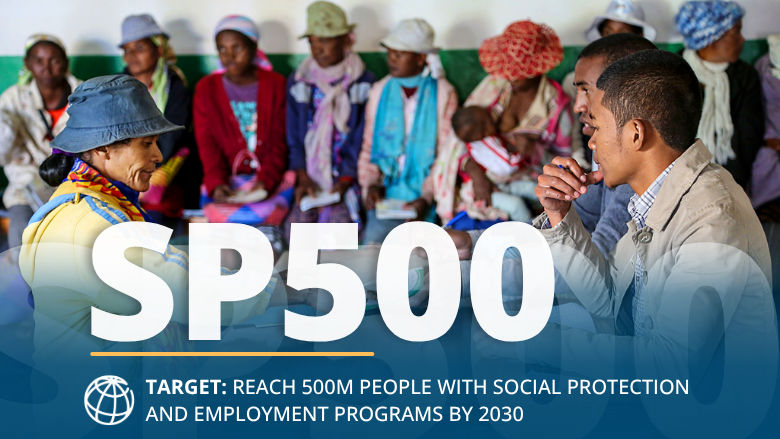
We aim to reach half a billion people by 2030 with social assistance programs.
Our $26 billion social protection portfolio helps people become more self-reliant, adapt to crises and transitions, find jobs, improve productivity, support health and education of children, and protect an aging population and persons with disabilities. Recent key analyses and knowledge products cover topics including: The State of Social Protection Report 2025: The 2-Billion-Person Challenge, women’s economic participation, migration, the gig economy, employment solutions, youth employment and universal social protection.
Gender
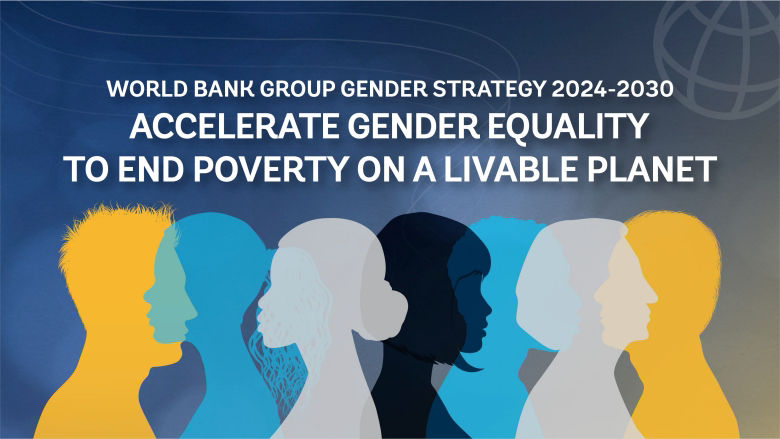
We have stepped up our operations to support gender equality and invest in evidence on what works. More than 95% of our operations include interventions aimed at closing gender gaps. The Gender Strategy for 2024-2030 focuses on empowering women, building human capital and accelerating women’s economic participation. Recent key analyses and knowledge products cover topics including: women’s economic inclusion and empowerment, women’s health, closing gender gaps and ending gender-based violence.
Human Capital
Through our global network of nearly 100 countries consisting of Ministers of Finance, Planning, and Budgets, our Human Capital Project connects policymakers and provides a platform that facilitates cross-learning and fosters investments and policy action on human capital. The Human Capital Data Portal provides global, regional, and economy-level data on human capital, including education, health, nutrition, social protection, and employment. Recent analysis covers how Covid-19 eroded human capital and what to do about it.