

• The World Bank

    Education in Latin America and the Caribbean

  • Education Latin America and the Caribbean

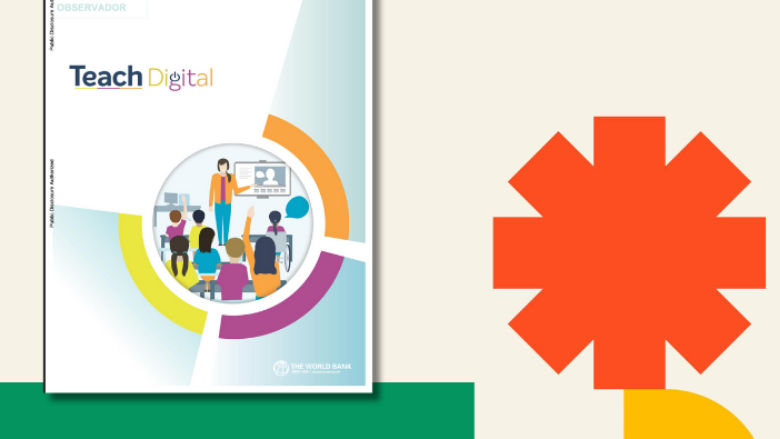
    Screen Time in Early Childhood Education: Balancing the Digital Scales

    Screens are transforming how our children learn. This report reveals the risks of overexposure and offers practical recommendations to support their educational, physical, and emotional development.

    Download the report
  • The World Bank

    Artificial Intelligence Revolution in Higher Education: What You Need to Know

    Artificial Intelligence is transforming higher education at an unprecedented pace. This report brings together the main advances driven by AI to offer solutions for university faculty, students, researchers, and academic institutions.

    Website Download the report

A commitment to education

Education is the most important factor determining  the future of young people in terms of employment and income. It is also a human right. Educating new generations reduces poverty, improves health, and creates more equitable, peaceful, and stable societies. It also drives long-term economic development, innovation, institutional strengthening, social cohesion, and climate action.

Latin America and the Caribbean are facing the greatest educational crisis in their history:

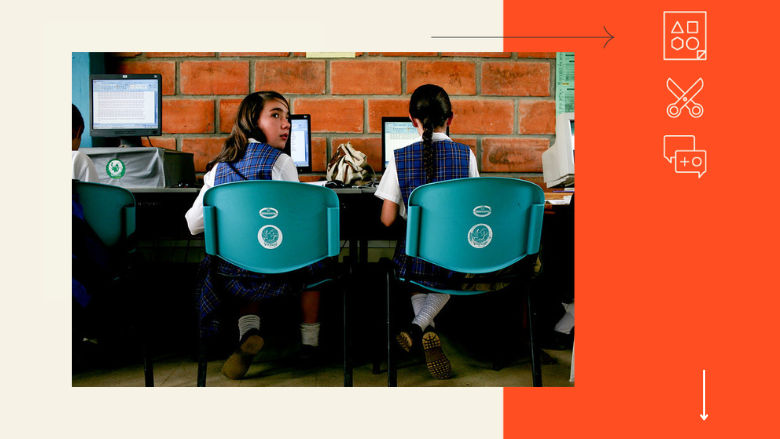
  • One in three children in the region does not attend preschool.
  • After the pandemic, 79% of children who complete primary education cannot read with comprehension.
  • The mathematics skills of the region’s 15-year-olds are five years behind those of their peers in OECDcountries.
  • Only 6 out of 10 young people complete upper secondary education, and only 1 in 8 does so with a technical or vocational certificate.
  • The region has 10 million young people who are neither studying nor working, contributing to youth inactivity and an enormous loss of talent.

Our priorities:

From the World Bank Group, we highlight the fundamental areas for improving education in Latin America and the Caribbean.

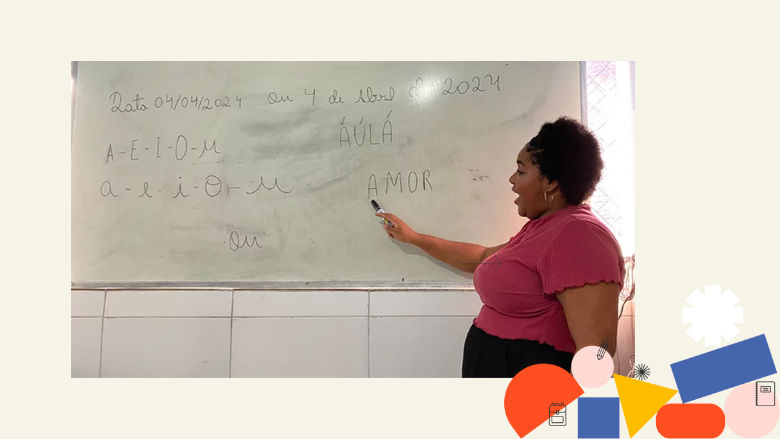
  1. Prioritize foundational learning (literacy and mathematics) with the right methodology. 

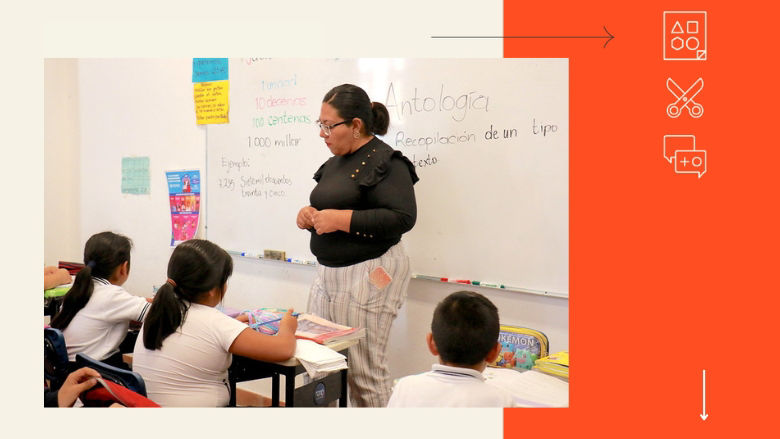
  2. Develop early childhood skills with care, safety, and quality. Ensure that teachers have the qualifications, materials, and support for learning.

  3. Support teachers and students in the use of artificial intelligence and digital education to improve learning. 

  4. Invest in more quality educational opportunities so that young people can complete secondary education.

  5. Reform and expand vocational training and higher education that directly prepares young people with workforce skills for high-paying jobs. 

Multimedia

Latest reports

Stories & Blogs

Stay Connected