


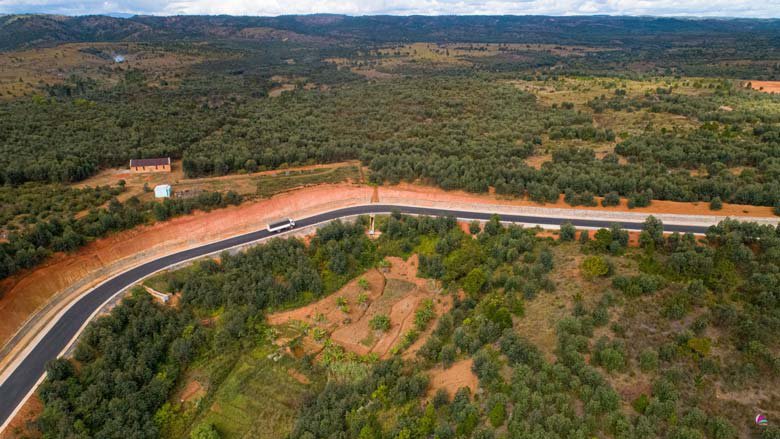
Beneficiaries
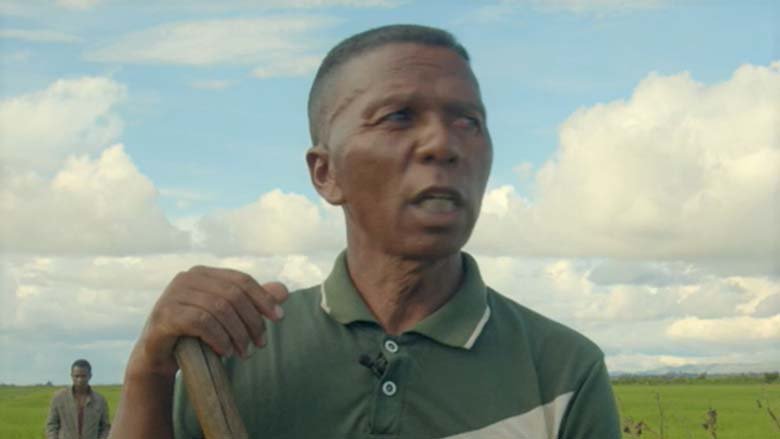
“Previously we were in difficulty as our products could not reach Ambatondrazaka because of the poor state of the roads and this caused us, farmers, considerable financial losses. The price of rice was very low: 400 ariary per kilo, 600 ariary per kilo, the highest price was 700 ariary per kilo. The cars and buses suffered enormously from the state of the roads, many broke down. A car or a bus bought today will be completely out of use in four years, due to the poor state of the roads. People were really desperate because if there were urgent trips, if a person had to be evacuated to the hospital, for example, he or she could die on the way, and almost all the cars broke down on the way. It took three days to reach Antananarivo. With this rehabilitation, products can easily reach Ambatondrazaka and ever since, we have better prices for our products. The kilo of rice that we sell is now at 1,400 ariary or 1,500 ariary, two or even three times more than the price before. Everyone benefits. Many farmers here also borrow money from microfinance institutions, and before, when the road was still very bad, they found it difficult to repay their loans, but now that the road is good and that has resulted in an increase in the price of agricultural products, they are able to pay their monthly instalments to the microfinance institutions.”
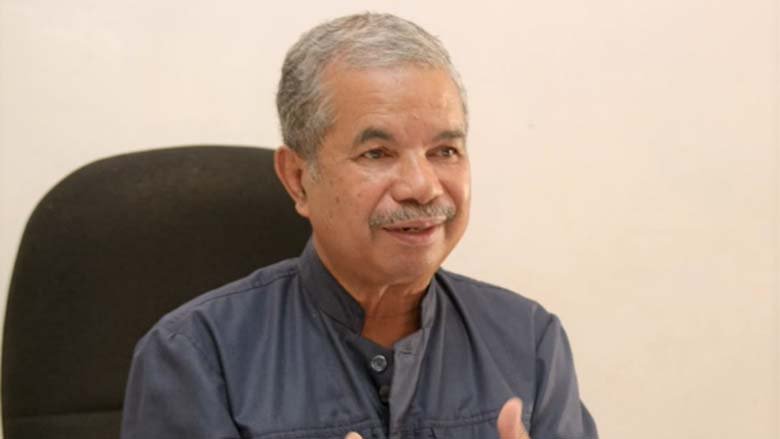
“With this road now rehabilitated, all the opportunities open up for this region, the rice production, the harvests, will increase, and at the same time, the revenues of the region will also increase.”
Challenge
Madagascar has one of the least developed road networks in the world. Road density is only 5.4 km per 100 km2 of land, and most of its national and local roads are earth roads and in poor condition. The Rural Accessibility Index (RAI), measured by the share of the rural population who live within 2 km of an all-season road, is 11.4 percent – among the lowest globally – which means that 17 million rural residents are left unconnected. Several studies have shown the strong linkages between improved road and transport connectivity, and economic growth and poverty alleviation. RN44 is the main road to the Alaotra region, considered the rice granary for Madagascar, given its high agriculture potential. Productivity, though, had been largely hindered by the poor condition of the RN44 and associated local roads. The country, and particularly its infrastructure such as the RN44, is highly vulnerable to cyclones.
Approach
The project was designed to provide critical physical and digital connectivity to rural communities through rehabilitating the main road and associated feeder and village roads. The effort aimed to provide “last mile access” and reduce the existing large costs of transportation, while also setting up digital information kiosks along the road to provide farmers with real time access to market prices and demands. Put together, physical and digital connectivity enable rural communities to sell products in a more timely and efficient way and at higher prices, helping improve livelihoods and increasing the economic productivity of the region.
Results
Within its first two years of implementation (2020-2022), the project has increased the resilience of infrastructure and communities, and improved the population’s livelihood, helping reduce fragility, migration, and the existing sense of marginalization. It has also enhanced safety and security in the region as transport vehicles and travelers, previously traveling at very low speed due to the bad condition of the road, were often subject to attacks by bandits.
Specifically:
- The project has assisted about 400,000 beneficiaries, of which half are women, by substantially reducing travel time, increasing income, and improving access to schools and hospitals.
- With 40km of the RN44 rehabilitated, travel time between Marovoay and Vohidiala has been reduced by more than half from 8 hours to 3 hours. While work on the local/feeder roads is not yet completed, there has been a noticeable improvement in access to schools and hospitals, reported by field interviews.
- Improved road connectivity has more than doubled some farmers income, especially rice farmers. Farmers have reported the ability to sell rice and produce at higher prices, sometimes doubling or tripling from 500 Ariary per kilo before, to about 1200 Ariary per kilo.
Bank Group Contribution
The project was financed by an IDA credit of $140 million.
Partners
The project is being implemented in collaboration with the Ministry of Public Works and the Road Agency of Madagascar. The World Bank and other donors, notably the European Union, the African Development Bank, and the European Investment Bank, are providing parallel financing of about $40 million to complete the RN12A.
Looking Ahead
The project was the first new road and transport project in Madagascar for some time. Its early successes have helped open up the dialogue and investments in the transport sector. The World Bank is currently preparing to trigger $100 million under the Road Sector Sustainability Project (RSSP) Contingent Emergency Response Component (CERC), to be followed by an additional financing to replenish the project, to respond quickly to government emergency request to finance infrastructure reconstruction needs on roads, bridges, electricity, and railways following the devastation created by the four cyclones that recently impacted Madagascar.
Meanwhile the Bank, as a trusted partner and advisor to the government in the sector, is engaged with the government in advanced policy dialogue and reforms on key transport modes such as railways, ports, urban transport, and aviation; and there is a possibility for follow up investments in these modes - within a long term and multimodal vision, and with the possible involvement of the International Finance Corporation and the private sector –pending progress on key sectoral reforms.