IDA Impact in Africa

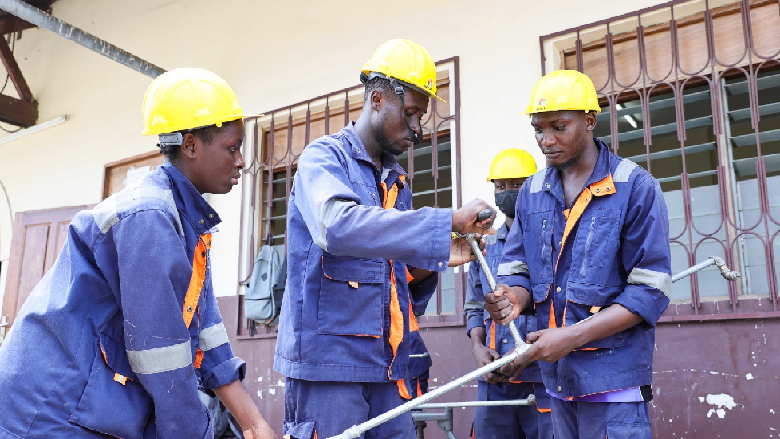
Rwanda’s Skills Training Delivers Jobs and Opportunity for Youth

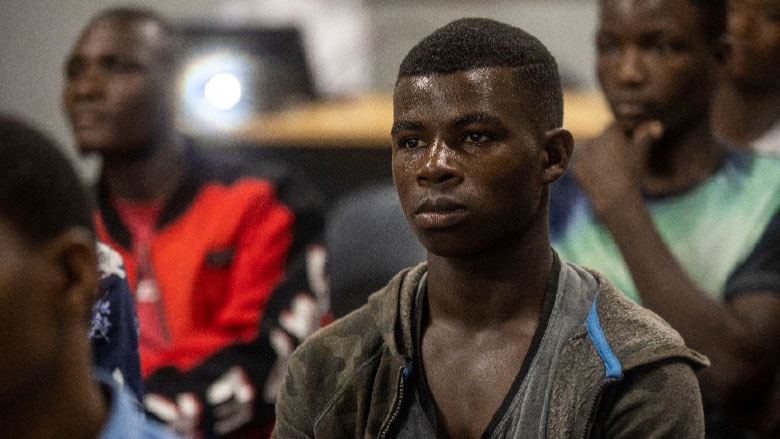
Launched in 2017, the Rwanda Priority Skills for Growth Program (PSG) expanded training to nearly 24,000 youth— over one-third women—with 82 percent employed or self-employed nine months post-graduation.

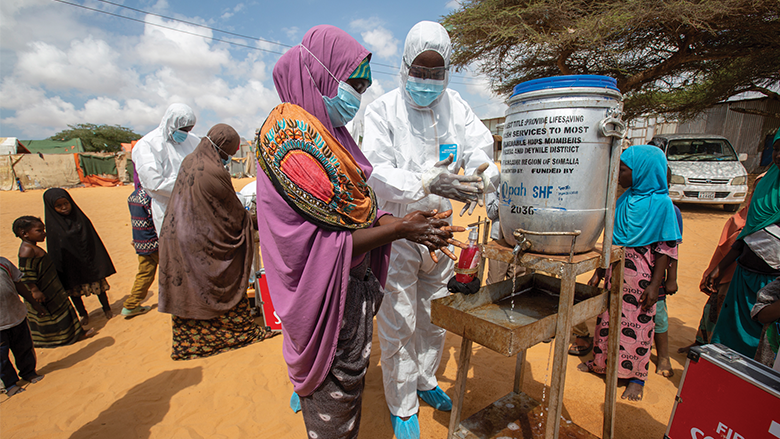
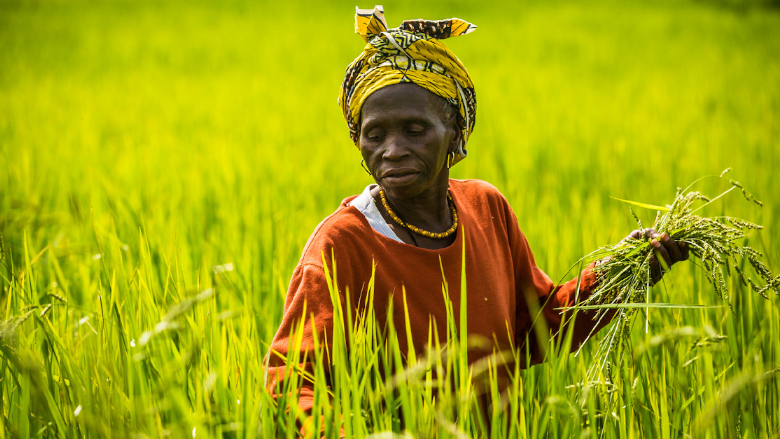
Strengthening Sustainable WASH Access and Resilience in Ethiopia

The Government of Ethiopia launched a multi-phased “One WASH National Program” (OWNP) in 2013 as an integrated platform for sector development. OWNP aims to improve the health and well-being of both rural and urban populations by expanding access to water supply and sanitation services, while promoting sustainable and equitable hygiene practices.

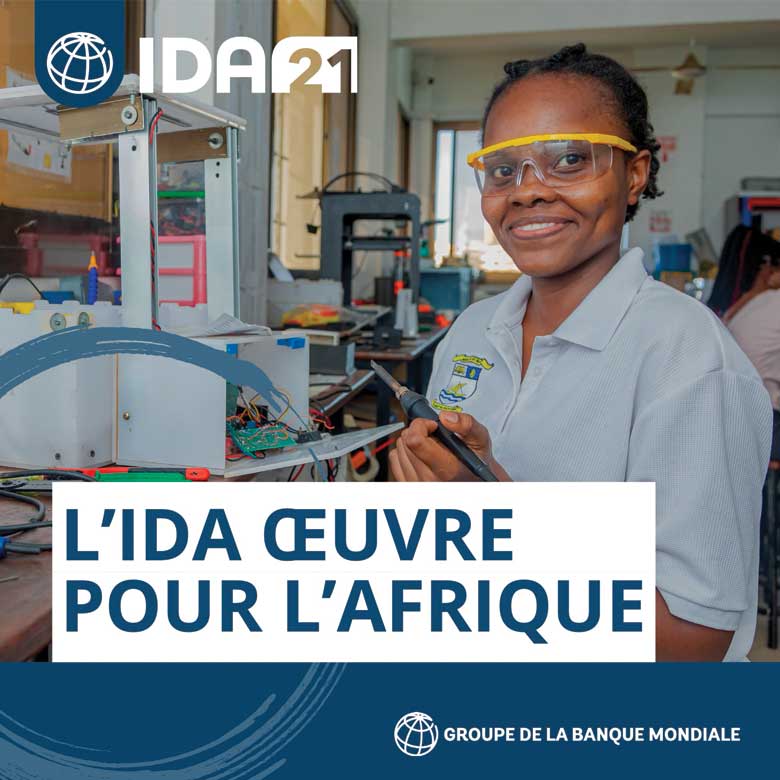
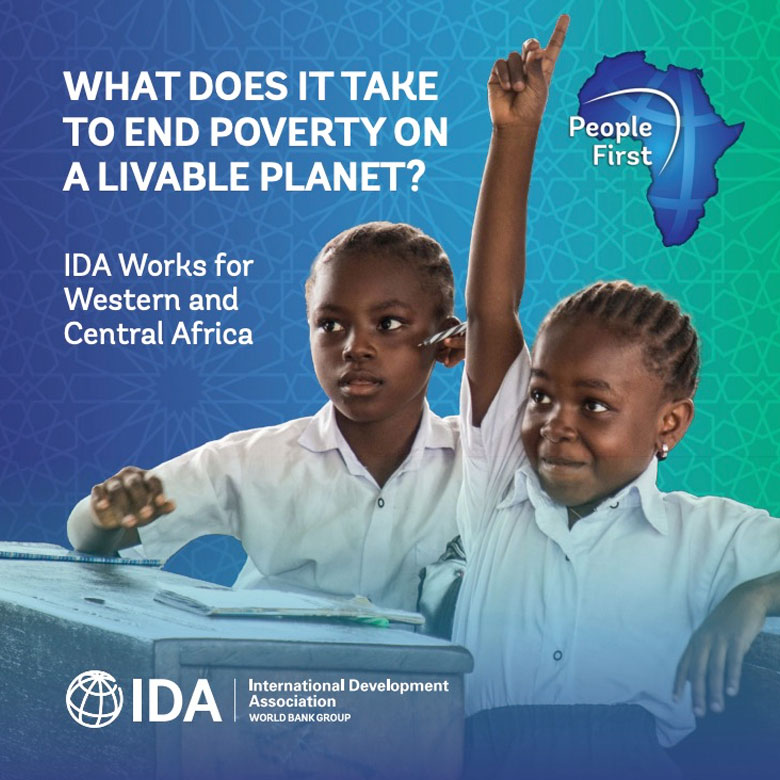
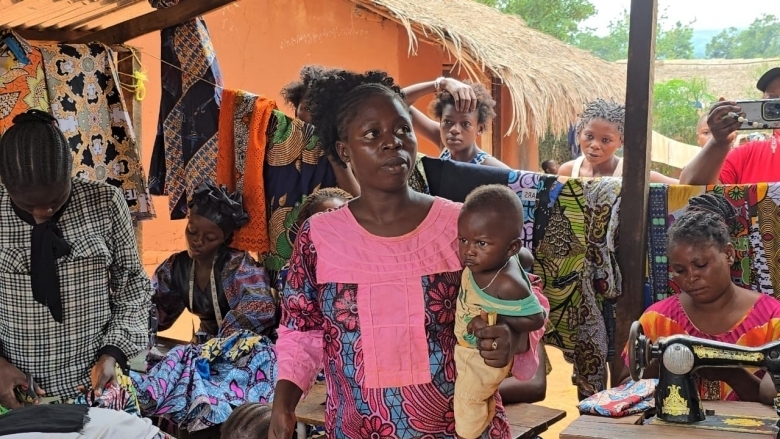
From potential to skills and real jobs: how young women are powering change in Western and Central Africa

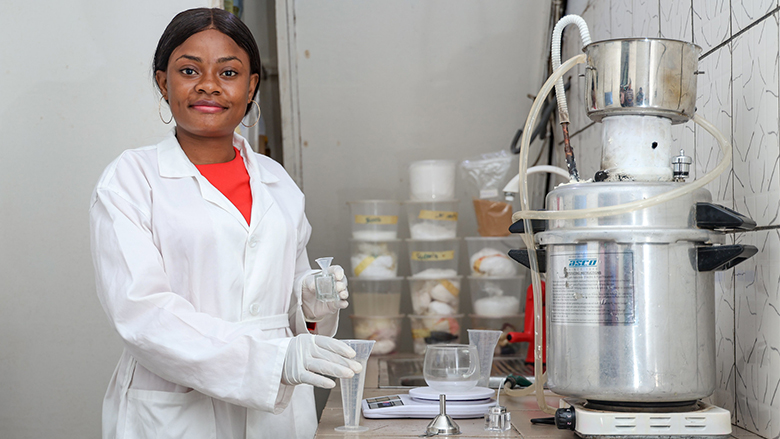
Young women are acquiring practical skills and transitioning into stable employment, with more than 255,000 individuals participating in SWEDD/SWEDD+ training and economic empowerment programmes.

Guinea's electricity surge: powering local small businesses and communities

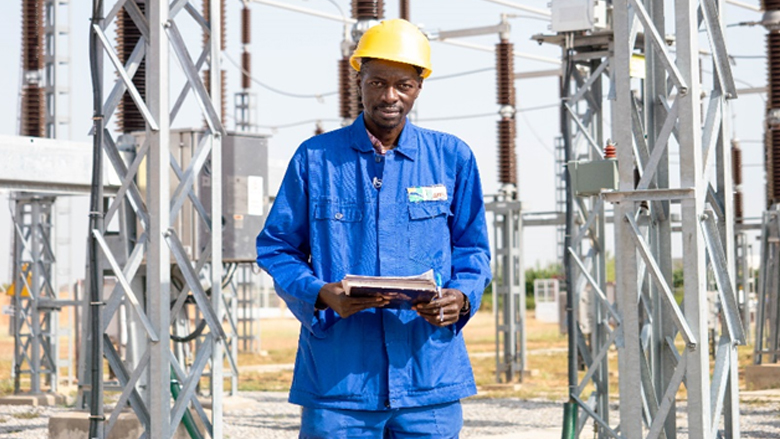
The OMVG transmission network has increased Guinea’s electricity trade capacity to 340,000 KVA, up from zero in 2015, surpassing the original project target and enabling reliable cross-border energy exchange.

The International Development Association (IDA) is the part of the World Bank Group that helps the world’s low-income countries, 40 of which are in Africa[JM1] . It is one of the largest sources of development assistance for these countries—and a cornerstone of global efforts to reduce poverty by helping economies grow and create jobs.

IDA aims to reduce poverty by providing zero to low-interest loans (called “credits”) and grants for programs that boost economic growth, reduce inequalities, and improve people’s living conditions. At the heart of this is a clear goal: help countries translate growth into local jobs. More than half of IDA countries receive all, or half, of their IDA resources on grant terms, which carry no repayments at all.

IDA resources are replenished every three years from donor governments, the World Bank Group, and market sources. 

The results stories featured on this website illustrate how the World Bank leverages its global knowledge, financing, and convening power to help African countries break the cycle of poverty. The stories showcase IDA’s impact on families, national economies, and development across the region.
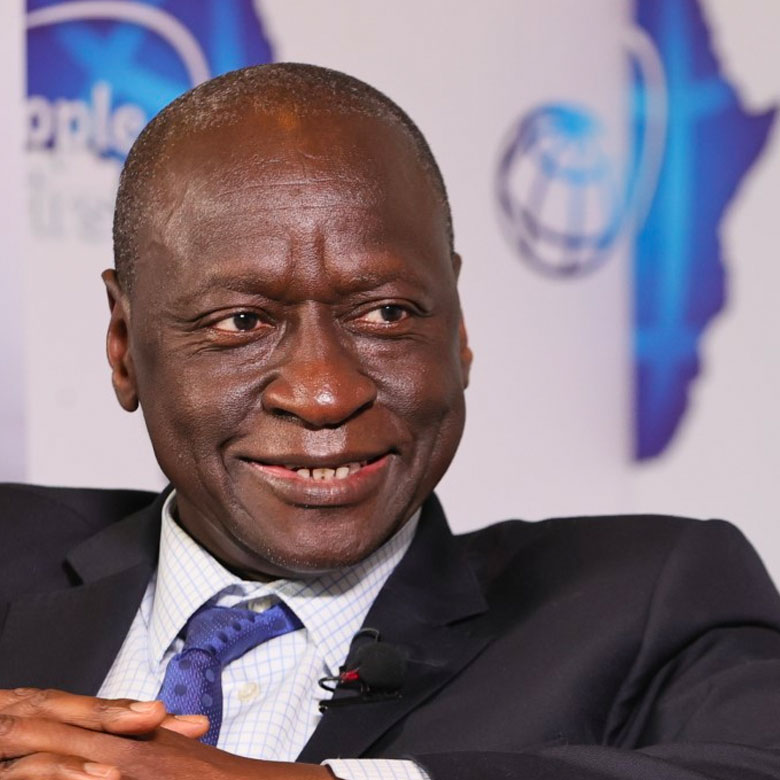
Ousmane-Diagana
 “From climate shocks to political instability and growing debt, Africa faces enormous challenges – but also has tremendous potential. As the largest source of concessional finance for the world’s poorest countries, IDA puts people first and is playing a critical role in unlocking human capital while scaling up interventions to transform Africa.”

– Ousmane Diagana, Regional Vice President, Western and Central Africa
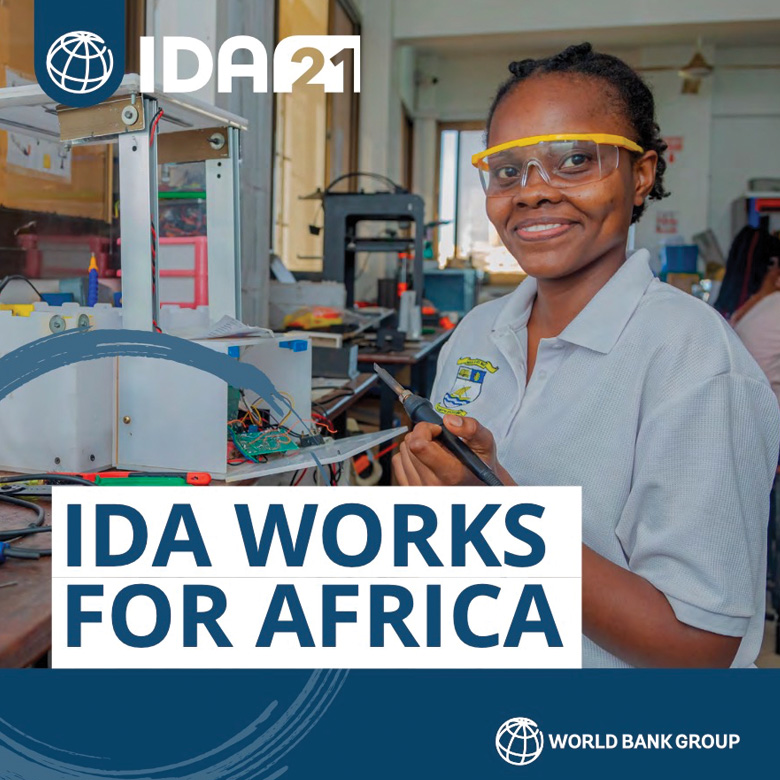
brochure
BROCHURE

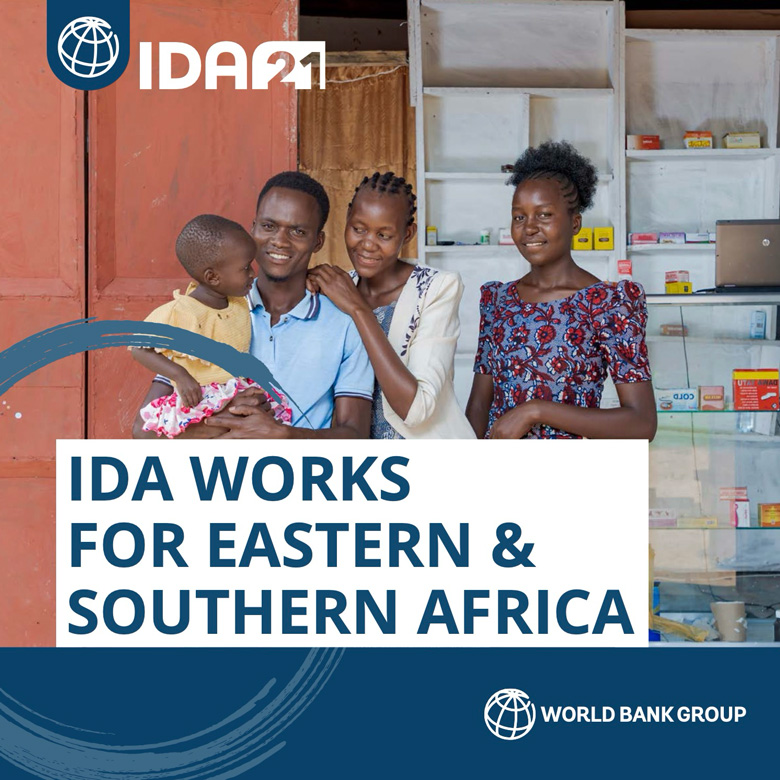
IDA WORKS FOR EASTERN & SOUTHERN AFRICA

IDA's long-standing partnership with Eastern and Southern Africa is yielding impressive results.
OPEN PDF Arrow

Learn More

World Bank in Africa

Sub-Saharan Africa, with over a billion residents, where 50% will be under 25 by 2050, boasts vast human and natural resources that could drive growth and eradicate poverty, fostering better health and wealth.

IDA at Work

IDA — the World Bank’s fund for the poorest — is one of the world’s largest sources of funds, providing support for health and education, infrastructure and agriculture, and economic and institutional development.

Africa Economic Updates

Africa Econimic Update is the World Bank's bi-annual publication. It analyzes the short term economic prospects for the continent and current development challenges, as well as a special development topic.

IDA20 Mid-Term Review

IDA donor and borrower representatives will meet in Zanzibar, Tanzania, between December 6 and 8, 2023, to review the progress to date on IDA20's policy and financial commitments and to evaluate IDA’s response to overlapping crises.