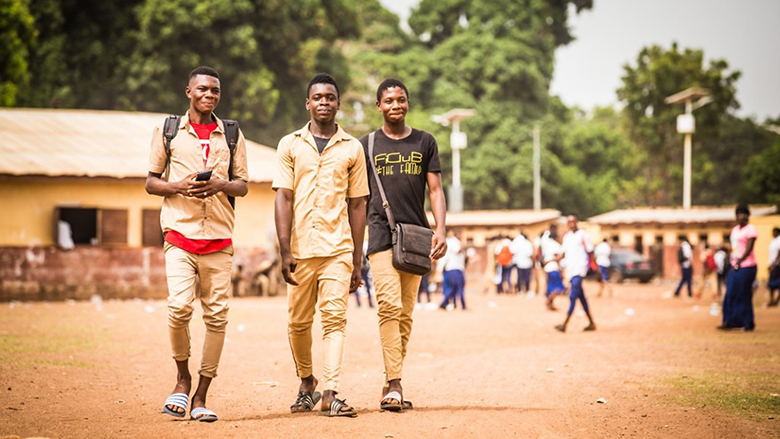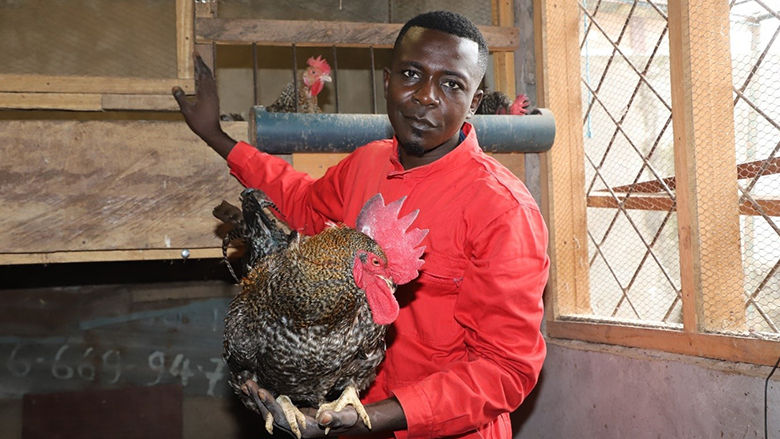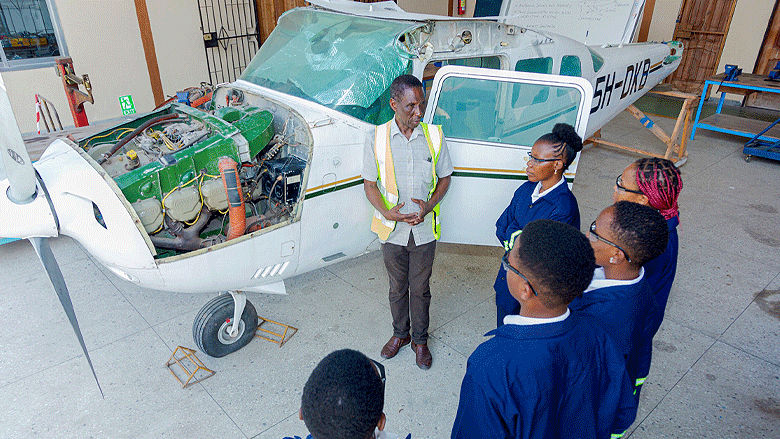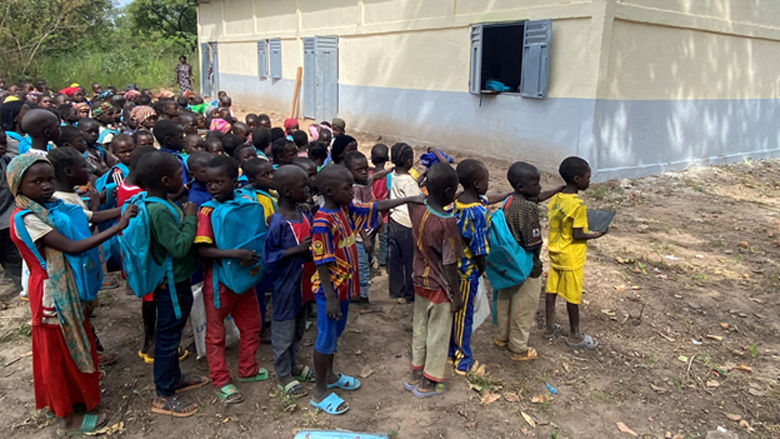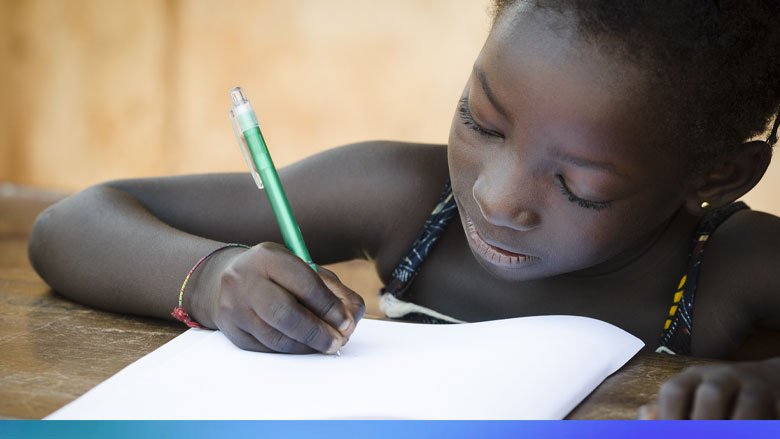
Sub-Saharan Africa has the fastest growing child population in the world. Yet, the current education system is at capacity, and the demand will increase with nearly 750 million children expected to be of school age by 2060. This rapid increase in cohorts of children and young people presents a significant fiscal pressure on governments in terms of service delivery needs, early childhood development interventions, and sustained investment in accessible and quality education for all, especially girls.
In 2024, the African Union is focused on the theme of education: “Educate an African fit for the 21st Century.” The World Bank’s work in support of the AU Year of Education will focus on four topics: Foundational Learning; Jobs and Skills; Science, Technology, Engineering and Mathematics (STEM) and Higher Education; and Education Finance. Below is an overview of recent activities and stories in these key areas.