col-xs-12
col-sm-12
col-md-1
col-lg-1
col-xs-12
col-sm-12
col-md-10
col-lg-10
col-xs-12
col-sm-12
col-md-1
col-lg-1
col-xs-12
col-sm-12
col-md-12
col-lg-12
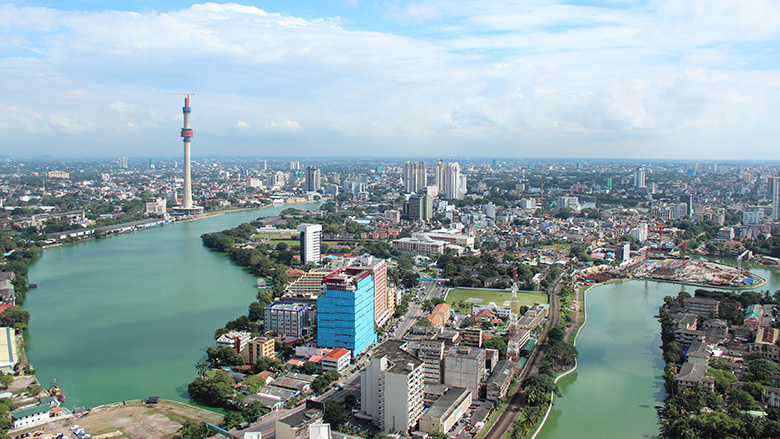
Colombo wetlands
Wetlands in Colombo, Sri Lanka.
Photo: Andrina Fernando / World Bank
col-xs-12
col-sm-12
col-md-3
col-lg-3
col-xs-12
col-sm-12
col-md-7
col-lg-7
  • font-medium
  • bg_blue_05

STORY HIGHLIGHTS

  • Cities increasingly look to nature-based solutions such as wetlands and mangroves to become more resilient to climate change.
  • Nature-based solutions mitigate disaster risk in a cost-effective way while strengthening or rehabilitating ecosystems.
  • Since 2012, the World Bank has integrated nature-based solutions into more than 100 projects in 60 countries across four continents.
col-xs-12
col-sm-12
col-md-2
col-lg-2
col-xs-12
col-sm-12
col-md-3
col-lg-3
col-xs-12
col-sm-12
col-md-7
col-lg-7
  • lp-body-content
  • first-letter

Twelve years ago, a powerful, La Niña-fueled storm brought torrential rain to Colombia. Massive flooding and landslides caused hundreds of deaths. The capital city, Bogotá, experienced one of the worst emergencies in its history when its namesake river, Rio Bogotá, overflowed and reclaimed its floodplain. Water mixed with sewage, waste and debris flooded farmlands, homes, and schools.

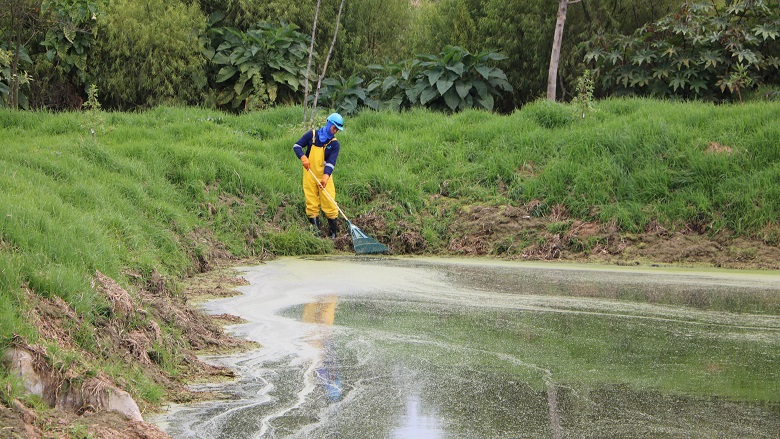
In the wake of the disaster, the environmental authority for the Bogotá region embarked on a plan to reduce flooding and clean up the polluted river. The remedy called for a combination of flood-control infrastructure, expanded wastewater treatment, and nature-based solutions – an increasingly popular approach that, as its name suggests, seeks a solution in nature.

[tweetquote:[tweetText=A project supported by the World Bank repurposed 165 hectares of multifunctional areas along the Rio Bogotá riverfront to allow space for floodwaters to flow through the city without posing risks to people or infrastructure.,tweetData=WBG_Climate,tweetHash=ClimateStories_WBG]] As a result, flood risk has been reduced for 1.2 million people, including 124 families who once lived on the banks of the river and have resettled outside of the flood zone.

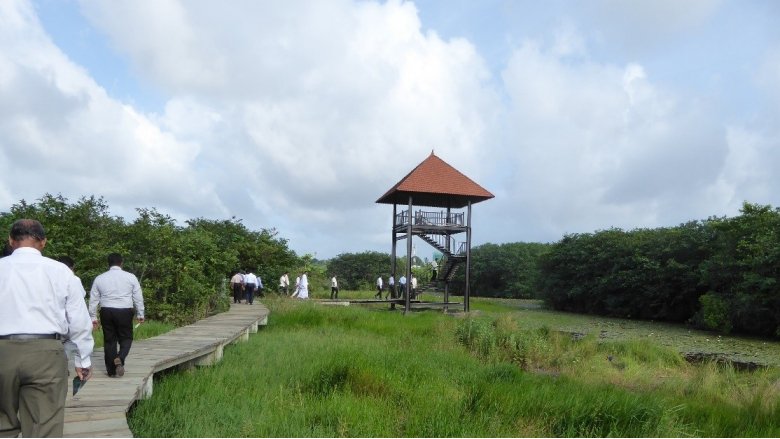
Vegetation-filled flood zones also now connect the river hydrologically to once-extensive wetlands that, since 1950, have declined from 50,000 hectares to only 1,000, today. But the hope is that the wetlands will be gradually restored and once again lend their protection to the city.

Nature-based Solutions: A Cost-Effective Way to Foster Resilience and Biodiversity

Cities like Bogotá are increasingly looking to nature-based solutions to become more resilient to climate change. Also known as nature-based infrastructure or green infrastructure, these natural systems provide critical services. For example, wetlands reduce flooding, and mangroves lessen the impact of waves and storm surge. Nature-based solutions also foster biodiversity and can be particularly effective when they complement traditional “gray” infrastructure made of cement, steel or other human-made materials.

Colombia is hardly alone in weathering the rising toll of natural disasters. Over the last two decades, disasters have affected over 4 billion people, killing more than 1 million and causing around $2.9 trillion in economic losses. Degraded watersheds have had an impact on drinking water for more than 700 million people, costing cities a collective $5.4 billion in treatment, while droughts affect an average of 35 million people each year.

[tweetquote:[tweetText=Since 2012, the World Bank has integrated nature-based solutions into more than 100 projects in 60 countries across four continents.,tweetData=WBG_Climate,tweetHash=ClimateStories_WBG]] Nature-based solutions also play a key role in climate change adaptation and in building resilience in landscapes and communities. Several nature-based solutions are being used to help manage disaster risk and reduce the incidence and impact of flooding, mudslides, and other disasters. They are a cost-effective way of addressing climate change while also addressing biodiversity and land degradation: You can address several problems at once.

Bogotá wetlands
Wetlands in Bogotá, Colombia.
Photo: World Bank

In Beira, Mozambique, Restoring the Chiveve River to Health

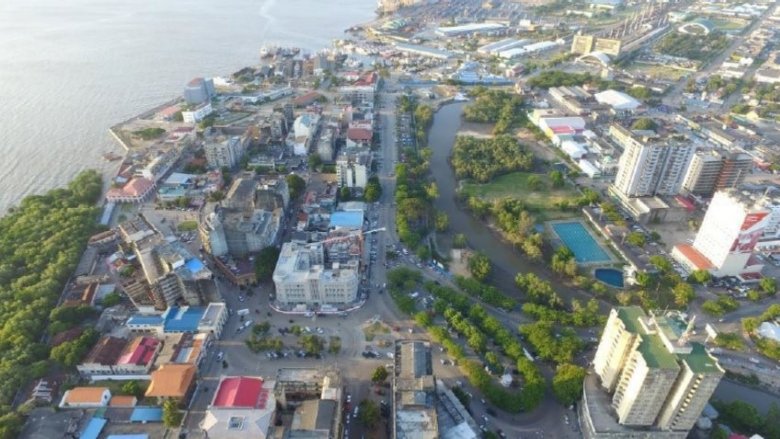
Beira, Mozambique, is another city where a degraded river increased an already vulnerable community’s flood risk. In response, and with support from development partners and in particular the World Bank-funded Cities and Climate Change Operation, the authorities of Beira combined gray and green infrastructure to restore Beira’s Chiveve River to health while lifting up the people who live near it.

The 3.5-kilometer-long Chiveve is a tidal river spanning the city’s fishing port, central business district and some of its poorest neighborhoods. But the Chiveve had become cut off from its natural tidal flow, choked by trash and polluted by fecal waste. Natural flood mitigators, including mangroves and native vegetation, were severely degraded.

The Chiveve’s recovery started with community-based mangrove restoration and a traditional infrastructure project to widen the river’s tidal basin so it could retain more stormwater and build a controllable tidal outlet to regulate the incoming and outgoing flow. The green infrastructure created a 17-hectare, multi-functional riverside park with pedestrian paths, event venues, a local market, kiosks and other community areas.

videoType
you-tube
videoUrl
zm7n85TAhrM
title
Building a better Beira
keyFrameImage
https://i.ytimg.com/vi/zm7n85TAhrM/maxresdefault.jpg
description
For cities threatened by climate change, bringing together green and grey infrastructure may be the key to climate-proofing them and saving lives. Recent investments in the coastal city of Beira in Mozambique showcase how cities can implement new infrastructure that brings not just climate benefits, but socio-economic and environmental benefits, too. Read more in the feature story: https://www.worldbank.org/en/news/feature/2022/01/31/building-resilience-through-green-gray-infrastructure-lessons-from-beira ABOUT THE GLOBAL FACILITY FOR DISASTER REDUCTION AND RECOVERY (GFDRR) is a global partnership that helps low- and lower-middle-income countries better understand and reduce their vulnerabilities to natural hazards and adapt to climate change. GFDRR provides grant financing, technical assistance, training and knowledge sharing activities to mainstream disaster and climate risk management in national and regional policies, strategies, and investment plans. The Program Management Unit, located within the World Bank, manages http://www.gfdrr.org grant resources to carry out GFDRR’s mission. ABOUT THE WORLD BANK GROUP 🌐 The World Bank Group is one of the world’s largest sources of funding and knowledge for low-income countries. Its five institutions share a commitment to reducing poverty, increasing shared prosperity, and promoting sustainable development. http://www.worldbank.org
showTimestampAndTranscript
no
duration
267
lastUploadedDate
2021-11-16T03:23:12Z

In Colombo, Reviving Urban Wetlands

[tweetquote:[tweetText=In the coastal city of Colombo, Sri Lanka, a revitalized network of urban wetlands plays an essential role in the effort to reduce flooding.,tweetData=WBG_Climate,tweetHash=ClimateStories_WBG]] The wetlands soak up floodwaters and release them safely when the waters recede, working together with hard infrastructure such as pumping stations and underground tunnels to protect the city. The wetlands also operate as natural air conditioners, water and air purifiers, carbon sinks, agricultural havens, and safe harbors for biodiversity.

[tweetquote:[tweetText=About 40% of Colombo’s wetlands have been lost to urbanization over the last several decades, but two major floods in 2010 highlighted the need to restore them.,tweetData=WBG_Climate,tweetHash=ClimateStories_WBG]] The Metro Colombo Urban Development Project, supported by the World Bank, led to technical and policy dialogue that resulted in the preservation of Colombo’s remaining wetlands and their integration into the city -- earning Colombo international recognition as the first capital to be accredited as a wetland city under the Ramsar Convention on Wetlands.

Colombo’s wetlands form a teeming network of ecosystems among the office towers, colonial buildings, temples and minarets. The expanse of nearly 20 square kilometers of freshwater lakes, wet woodlands, wet grasslands and swamps is now home to pink lotus flowers, spotted butterflies and the elusive fishing cat. The project’s goal goes beyond preventing future flooding to reposition urban parks and wetlands as the beating heart of city life.

Beyond improvements at the urban core, projects like these in Sri Lanka, Mozambique and Colombia offer more widespread economic lift, while keeping in line with goals to limit the emissions that contribute to a changing climate. Because they mitigate disaster risk in a cost-effective way while strengthening or rehabilitating ecosystems, nature-based solutions programs can offer other benefits including enhanced agriculture and fisheries, improved water supply services and opportunities to increase tourism, recreation, and access to cultural heritage, which support local economic and human welfare.

[tweetquote:[tweetText=By addressing climate change, improving the lives of the most vulnerable and increasing economic development, nature-based solutions offer a win-win-win for people and planet.,tweetData=WBG_Climate,tweetHash=ClimateStories_WBG]]

videoType
you-tube
videoUrl
lK0cjZEXsmM
title
Sri Lanka: Reducing Flood Risk for a More Livable Metro Colombo
keyFrameImage
https://i.ytimg.com/vi/lK0cjZEXsmM/sddefault.jpg
description
The Metro Colombo Urban Development Project is investing in Colombo’s public spaces, wetlands, and infrastructure to improve its flood resilience, quality of life, and competitiveness. When completed, 232,000 residents will have greater protection from flooding and the entire city of over 6 million people will benefit from an improved quality of life.
showTimestampAndTranscript
no
duration
234
lastUploadedDate
2016-09-14T21:33:37Z
videoType
embed-code
videoDmUrl
https://delivery-p136806-e1377785.adobeaemcloud.com/adobe/assets/urn:aaid:aem:45e59a09-032e-4e4e-b80d-f0299d3b6c79/play?assetname=SD_Climate_Stories_animation_20210511.mp4
embedCode
<iframe src="https://worldbank.scene7.com/s7viewers/html5/VideoViewer.html?asset=worldbankprod/SD_Climate_Stories_animation_20210511-AVS-11&config=/conf/global/settings/dam/dm/presets/viewer/WB-Player-with-Social-Sharing&serverUrl=https://worldbank.scene7.com/is/image/&contenturl=https://worldbank.scene7.com/is/content/&posterimage=worldbankprod/SD_Climate_Stories_animation_20210511-AVS-11&videoserverurl=https://worldbank.scene7.com/is/content" width="100%" height="500" frameborder="0" allowfullscreen></iframe>
title
SD_Climate_Stories_animation_20210511
keyFrameImage
https://worldbank.scene7.com/is/image/worldbank/SD_Climate_Stories_animation_20210511-AVS-11
showTimestampAndTranscript
no
duration
30
scene7File
worldbankprod/SD_Climate_Stories_animation_20210511
scene7Domain
https://worldbank.scene7.com/
scene7FileAvs
worldbankprod/SD_Climate_Stories_animation_20210511-AVS-11
lp-heading-top-medium
lp-heading-bottom-medium
col-xs-12
col-sm-12
col-md-2
col-lg-2
  • lp-body-content
  • first-letter