


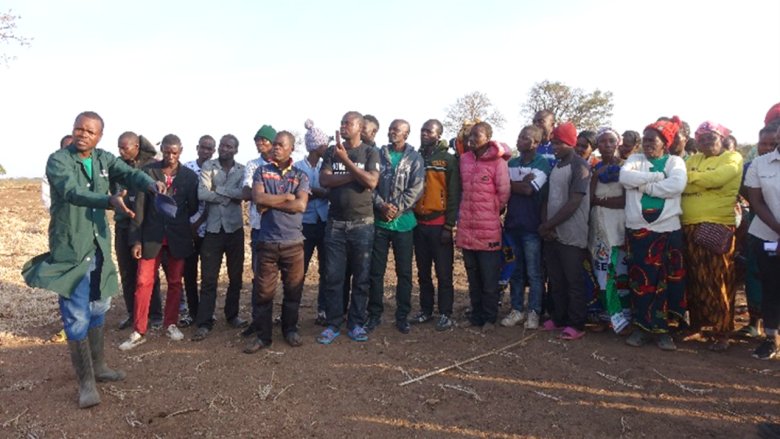
In Zambia’s Eastern Province, Wilson Banda, a lead farmer, is teaching other farmers at a field school in Katete how planting shade trees can help nutrients in the soil and, in turn, lead to better harvests.
Training teams of farmers in such practices has helped turn a negative cycle in the region into a positive one. Previously, poor farming practices caused soil degradation, which led to the clearing of forests for more agriculture, further disrupting the ecosystem. Farmers are now shifting to climate-smart agriculture practices such as precision farming, agroforestry, crop rotation, crop diversification, and efficient irrigation to optimize resource use, minimize emissions, and store carbon in the soil. The result? The soil is improving, agricultural yields are up, and there is room for reforestation, which will help the communities build resilience to shocks brought about by climate change. In addition, the local community will soon begin to receive payments for the carbon they have prevented from going into the atmosphere.
“We care deeply about our forests and the animals that call them home,” said His Royal Highness Chief Zingalume of Zingalume Chiefdom in Chadiza District of Eastern Province, Zambia. “It’s a great thing to be able to preserve the trees and land while still making a living. The trees improve the health of the soil, which helps increase our yields. This lets us help our families and our community. It’s nice to think we will be getting paid for this. We plan to use the money for developmental projects of our chiefdom to improve access to clean drinking water, local area economic growth, and natural resource management to sustain emissions reduction and management of soil and forest carbon.”
Elsewhere in Zambia, in the Banki Community Forest, a Community Forest Management Group (CFMG) is tending to 1,000 beehives. Honey production is one of the alternative livelihoods that community groups are pursuing in the area. The CFMG was awarded a grant to begin the enterprise. Tackling climate change is at the heart of the project, with group members building honey processing facilities and a solar-powered water reticulation system.
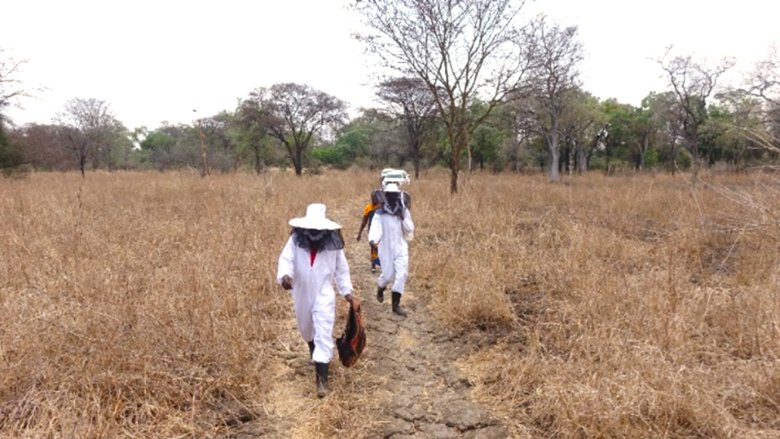
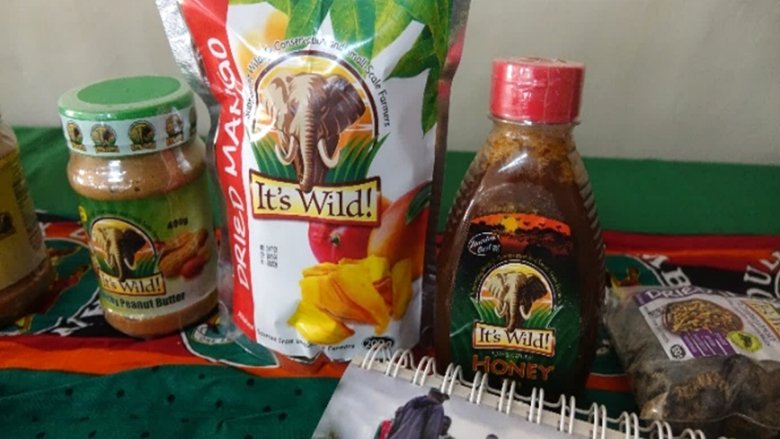
The group developed a business plan and was given technical training by Community Markets for Conservation (COMACO), a local private sector company and social enterprise that supports small-scale farmers. Last season, the group harvested 845 kilograms of honey, which they sold to COMACO for their processing under the COMACO brand name “It’s Wild!”
These activities took place under the Zambia Integrated Forest Landscape Program (ZIFL-P), which supported farming communities to switch to more sustainable practices and alternative production methods. The program was a key initiative underlying the World Bank’s BioCarbon Fund Initiative for Sustainable Forest Landscapes (ISFL) emission reductions program. Zambia signed an Emission Reductions Purchase Agreement in June that unlocks up to $30 million in results-based payments for carbon credits generated from climate-smart agricultural practices, forest conservation, and sustainable land use in the Eastern Province.
ISFL promotes reducing emissions from the land sector. ISFL’s work, while it includes forests as an area of focus, goes beyond reducing deforestation and forest degradation (commonly known as REDD+) to include sustainable agriculture and smarter land use policies and planning. The work in Zambia is a strong example of how better actions for the climate can also lead to resilience, improved agriculture, and better livelihoods for the people involved.
The program has already increased yields of selected crops by over 32% using climate-smart agriculture, created jobs in rural communities, and improved sustainable management of more than 72,000 hectares of forest. In conjunction with the payment of up to $30 million over five years for the carbon credits generated by the program, there is additional grant funding to support these activities.
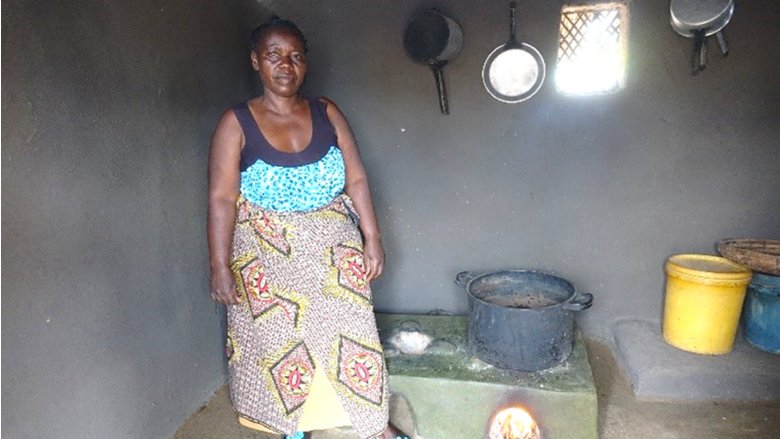
The work goes beyond business and forest groups to include community members and what they do in their homes. Naomi Miti is a good example. She prepares her family meals on an energy-efficient fixed mud stove that runs on twigs she gathers from the forest floor, meaning she and her family do not need to cut down trees to keep the stove running.
Under the new emissions reduction agreement with Zambia, Naomi and all the other people involved in carbon savings activities will share in the carbon credits payments through a benefit-sharing plan.
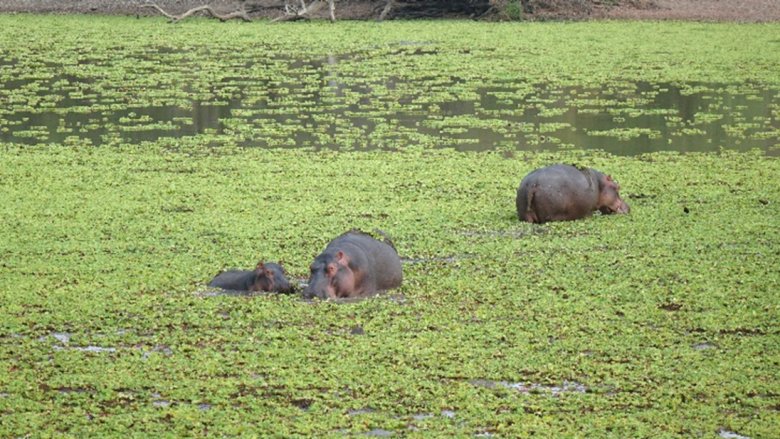
It’s not just people that are benefitting from the programs in Zambia. The ZIFL-P supports programs that draw on the knowledge of indigenous peoples to map animal corridors and engage communities in protecting these corridors. This helps to reduce conflict between humans and wild animals and promotes local cooperation in protecting the biodiversity found in Lukusuzi and Luambe National Parks and the areas adjacent to these parks.
Change Pays Off
The results of the World Bank ISFL Zambia program are building trust and confidence amongst the community involved. Both Chief Zingalume and His Royal Highness Chief Kapatamoyo of Kapatamoyo Chiefdom in Chipata District agreed: "We weren't really sure how this was going to work out at first because it required changing things we've done for a long time. But now we are seeing our incomes rise, more food available for the community, and are optimistic about what we will be able to do with the income we are earning from our agreement with the World Bank."
