Dr. Garba Buwa recalls the challenges his hospital faced in providing lifesaving medical care to patients due to the lack of reliable electricity. The State Specialist Hospital in Gombe, where Dr. Buwa works as a gynecologist, experienced frequent power outages from the national grid, and the generators were unreliable and often broke down at crucial times. This meant that they had to refer patients to other hospitals, which was especially difficult for low-income individuals who couldn't afford the services at these other facilities.
"We faced situations where there was no electricity from the national grid, and the generator was also unavailable” recounts Dr. Buwa. “In 2018, during a six-month period from January to June, approximately 38 women died during pregnancy or after delivery, and more than 300 babies lost their lives. These tragic outcomes were largely attributed to the inadequate lighting in the hospital”.
Access to electricity is a significant challenge in Nigeria, with more than 85 million people living without it as of 2021. The population has grown faster than electrification efforts, impacting households, businesses and essential public services like healthcare and education. Even those with access to electricity often experience power cuts and rely on generator sets.
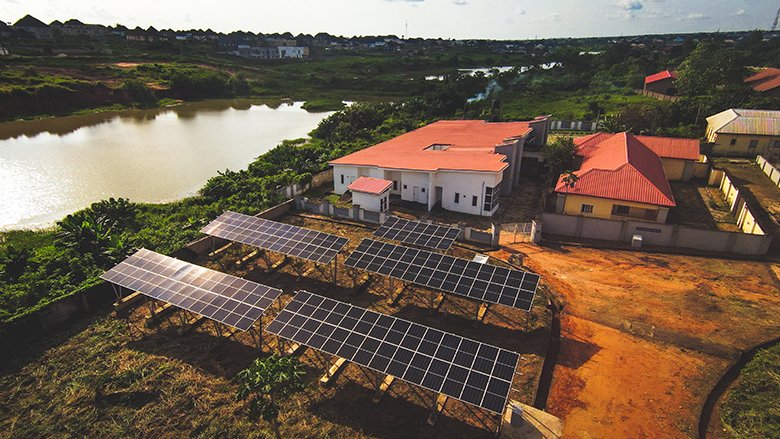
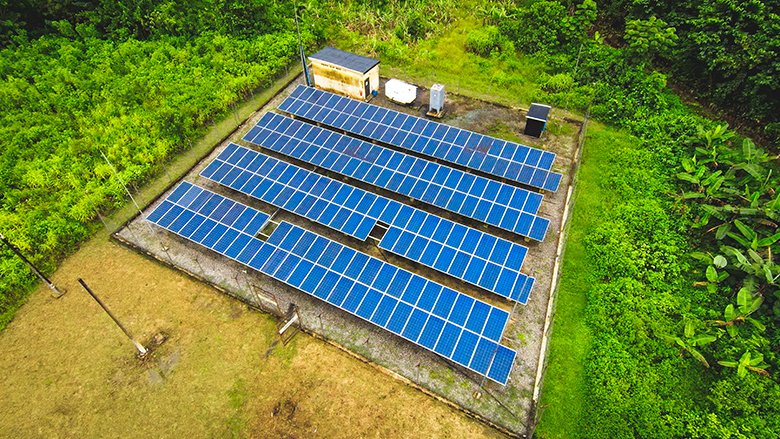
Mindful of these challenges and the positive impact of improved access to electricity on businesses and households, the Government of Nigeria launched the Nigeria Electrification Project (NEP), a program with financing of $550 million of which $350 million was a credit from The World Bank. The program, which was aimed at providing off-grid electricity access across Nigeria, has provided clean and reliable electricity to over 5 million people and created over five thousand green jobs.
Amongst the thousands reached includes Dr. Buwa and his colleagues whose hospital has benefited from the solar energy installation that is now providing clean and reliable electricity to the hospital.
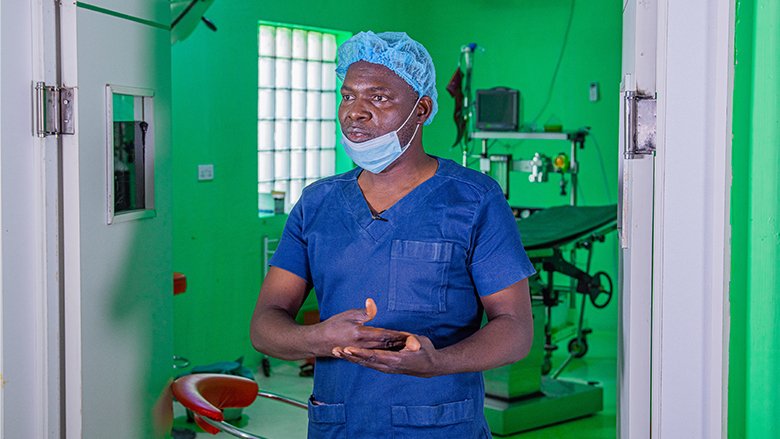
“Solar energy has been a game-changer in ensuring the survival of mothers and newborn babies. Solar lighting has significantly improved our obstetrics and gynecological theater, providing ample illumination for surgeries and procedures” said Dr. Buwa.
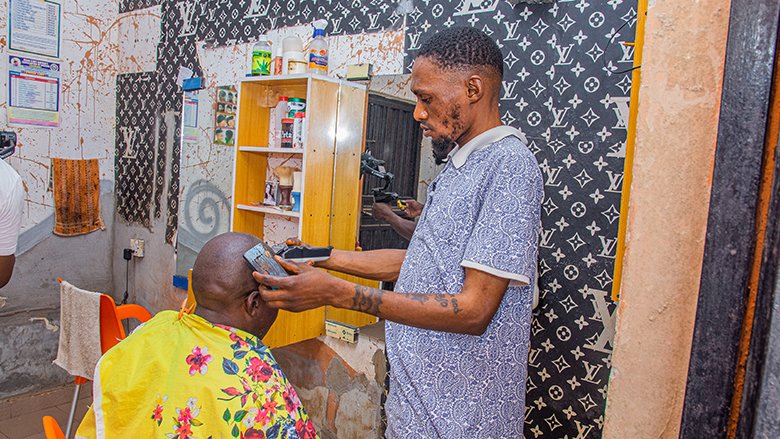
The efforts of the Government to deploy renewable energy through solar-powered mini grids have had an immense impact on SMEs as it has enabled thousands of entrepreneurs to stop relying on polluting generator sets, which has reduced the operating costs of these SMEs.