



BRIEF

Economic Monitoring


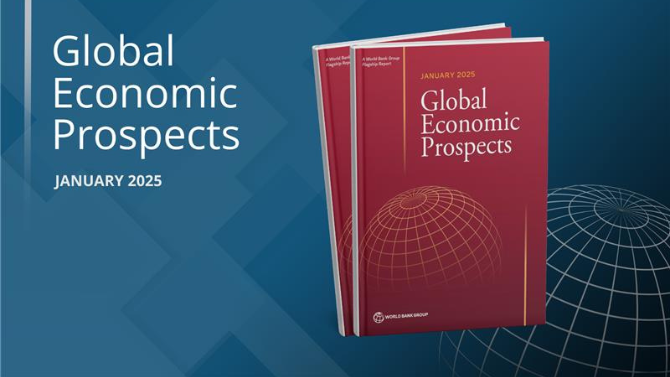
The World Bank's Prospects Group conducts in-depth analysis of key global macroeconomic developments and their impact on World Bank member countries. The Prospects Group leads the World Bank’s forecasting work and produces the semi-annual Global Economic Prospects flagship report. It also produces the Commodity Markets Outlook, policy-relevant research on topical issues, and timely updates on global economic developments.

Policy Note
Rate cycles cover
This paper provides the first systematic, cross-country analysis of “rate cycles” in 24 advanced economies over 1970-2024 in order to put today’s monetary policy challenges into context.
Global Recession report cover
Global growth prospects have deteriorated significantly since the beginning of the year, raising the specter of global recession. This paper relies on insights gleaned from previous global recessions.
Image
The war in Ukraine is triggering global ripple effects through multiple channels, including commodity markets, trade, financial flows, displaced people, and market confidence.

Periodicals and Reports
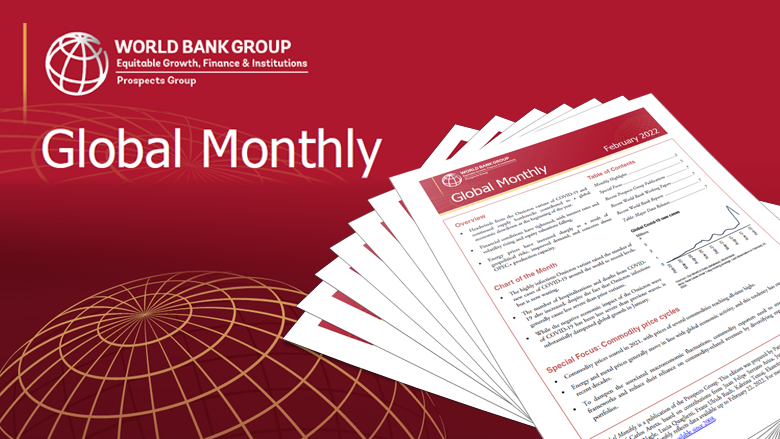
Global Monthly newsletter
An analysis of major trends affecting the global economy. Highlights important data points and analyzes important current topics.
Image
"Frontier market” economies—a cluster of mostly middle-income economies regarded as the proving ground for the next generation of economic superstars—have largely failed to live up to their potential in recent decades, this new World Bank study has found.
Global Economic Prospects January 2024 cover image
This semi-annual report analyzes economic developments and prospects globally, regionally, and nationally. Each edition contains special focus reports on economic developments relevant to policy-making and planning.
Image
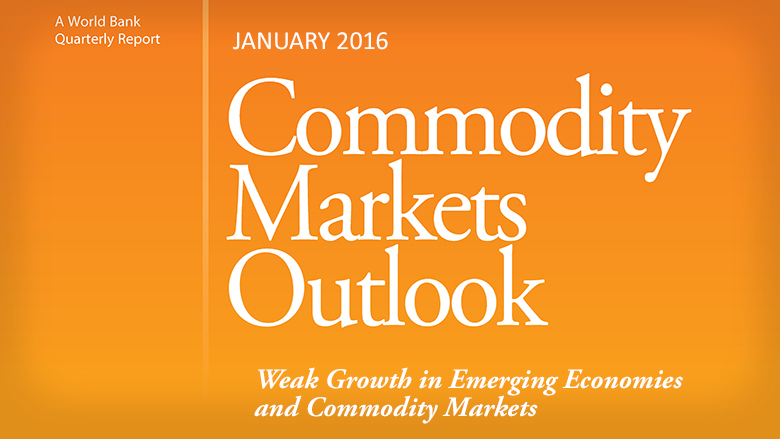
Market analysis of major commodity groups -- energy, metals, agriculture, precious metals, and fertilizers. The report provides price forecasts for 46 key commodities, including oil.
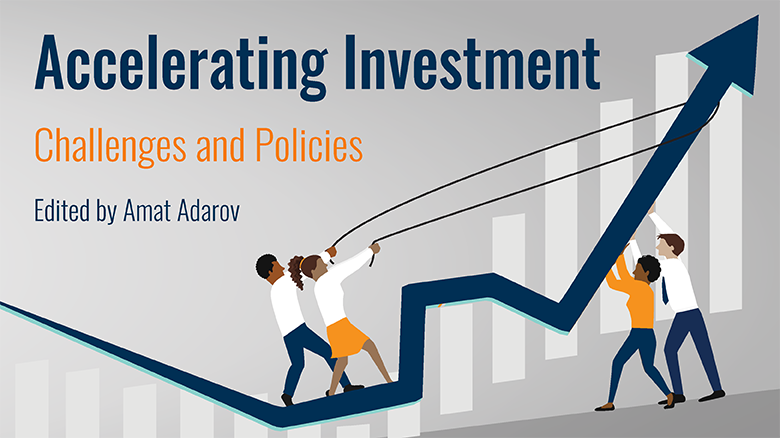
Accelerating Investment: Challenges and Policies (book cover)
This book presents the World Bank’s most comprehensive assessment yet of investment in developing economies. It explores why investment matters, why it has stalled in many countries, and what it will take to reignite it.
Fragile and Conflict-Affected Situations report cover
This study finds that conflict and instability are taking a devastating toll on the 39 economies afflicted by them, driving up extreme poverty faster than anywhere else, intensifying acute hunger, and pushing key development goals farther out of reach.
Image
Foreign direct investment has weakened since the global financial crisis, heightening the challenges of filling vast infrastructure gaps, reducing poverty, creating new jobs, and addressing climate change. This study provides a broad perspective on the evolution of FDI inflows.
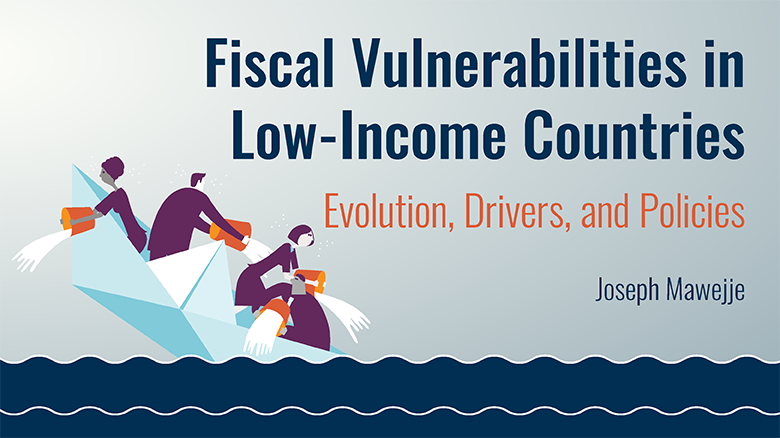
Fiscal Vulnerabilities book cover
This study constitutes the first systematic assessment of the causes of chronic fiscal weakness in the very poorest economies—those with annual per capita incomes of less than $1,145 a year.
Image
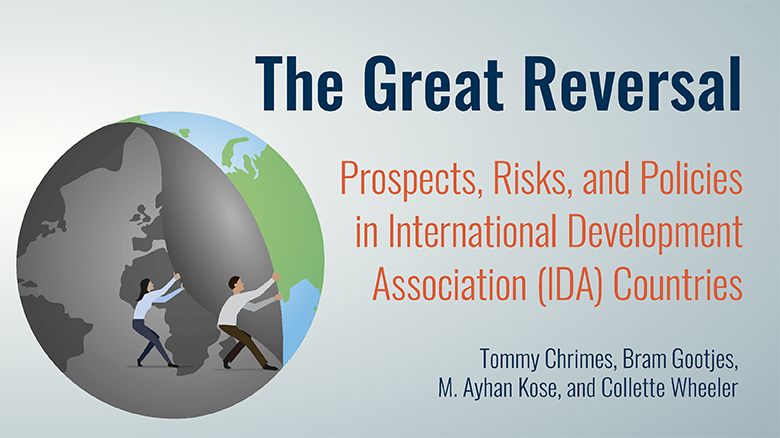
This book offers the first comprehensive look at the opportunities and risks confronting the 75 countries eligible for grants and zero to low-interest loans from the World Bank’s International Development Association (IDA). These countries are home to 1.9 billion people.
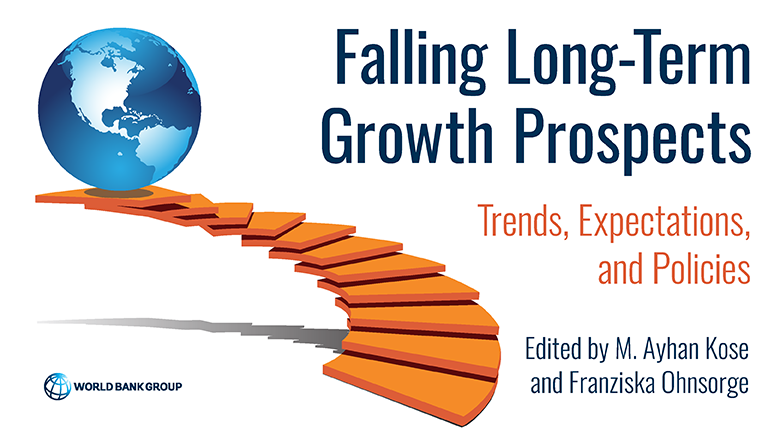
Falling Long-Term Growth Prospects
This book presents the first detailed analysis of a worldwide slowdown in structural growth. At current trends, the global potential growth rate is expected to fall to a three-decade low over the remainder of the 2020s.
Commodity book cover
This study is the first comprehensive analysis of market and policy developments for all commodity groups over the past century. It finds that the relative importance of commodities shifted over time, as technological innovation created new uses for some materials and enabled substitution.
Image
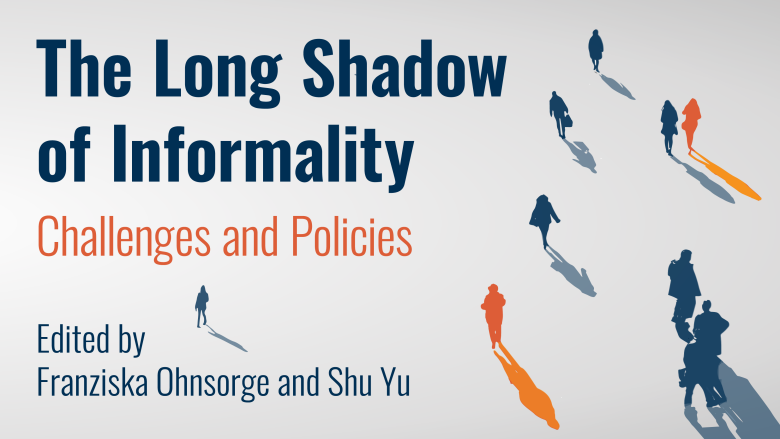
This study is the first comprehensive analysis of the extent of informality and its implications for a durable economic recovery and for long-term development.
Image
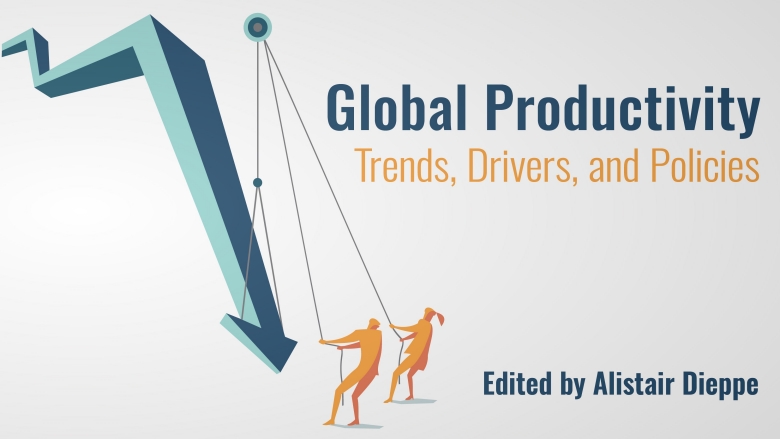
This book presents the first comprehensive analysis of the evolution and drivers of productivity growth, examines the effects of COVID-19 on productivity, and discusses a wide-range of policy options.
Image
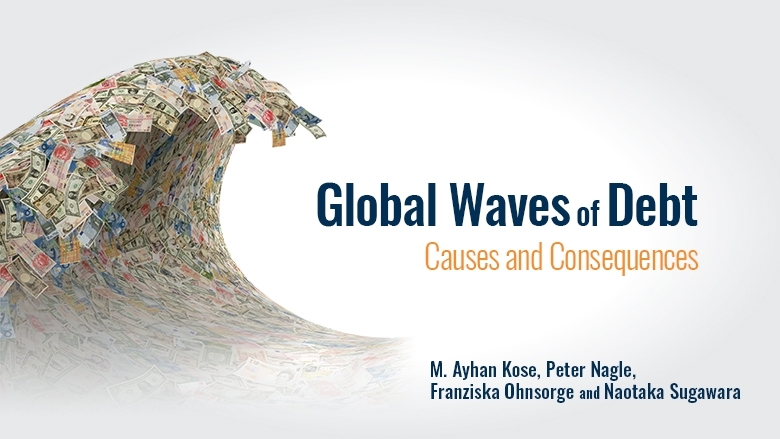
This book presents the first in-depth analysis of the main features of global and national debt accumulation episodes, analyzes the linkages between debt accumulation and financial crises, and draws policy lessons.
Image
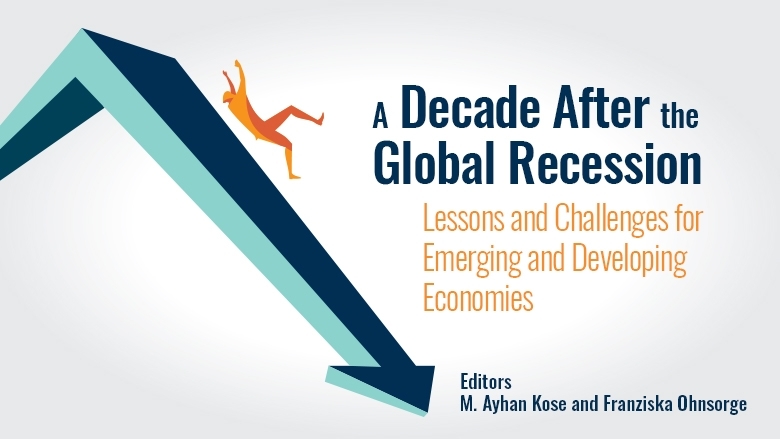
This book provides the first comprehensive stock-taking of the decade since the global recession from the perspective of emerging market and developing economies.
Image
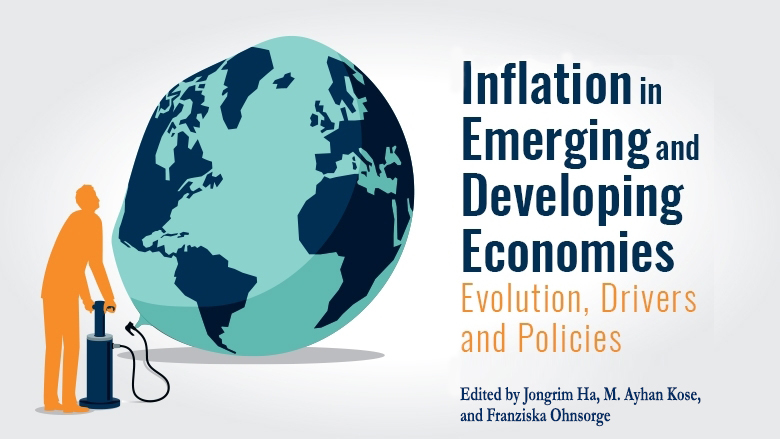
The book provides the first comprehensive and systematic analysis of inflation in emerging market and developing economies.

Prospect Group Policy Research Working Papers -- Recent Issues
Archive (2004-) | View by Author

Not All Shocks Are Shared Equally: Commodity Exporters and International Risk Sharing (January 2026)

Using world commodity prices as an instrument, this paper proposes a novel method for decomposing channels of international risk sharing for commodity-exporting countries. The method identifies the commodity “sector”' as the projection of gross national product growth on commodity-price growth, and the non-commodity “sector”' as its orthogonal complement. The findings show that commodity-price-induced risk is shared significantly more than other risks, in particular via pro-cyclical government savings, but also via counter-cyclical net international factor income.

Investment in Emerging and Developing Economies (January 2026)

The world faces a pressing challenge to meet key development objectives amid slowing growth and rising macroeconomic and geopolitical risks. With the number of job seekers rising rapidly, infrastructure shortfalls continuing to be large, and climate costs mounting, the case for a significant investment push has never been stronger. Yet the capacity to respond in many emerging markets and developing economies has eroded. Since the global financial crisis, investment growth has slowed to about half its pace in the 2000s, with both public and private investment weakening. Foreign direct investment inflows—a critical source of capital, technology, and managerial know-how—have also fallen sharply and become increasingly concentrated, leaving low-income countries with only a marginal share. The risks of further retrenchment are significant, as trade tensions, policy uncertainty, and elevated debt levels continue to weigh on investment. Reigniting momentum will require ambitious domestic reforms to strengthen institutions, rebuild macro-fiscal stability, and deepen trade and investment integration—the foundations of a supportive business climate. At the same time, international cooperation is indispensable. A renewed commitment to a predictable system of cross-border trade and investment flows, combined with scaled-up financial support and sustained technical assistance, is essential to help emerging markets and developing economies—especially low-income countries and economies in fragile and conflict situations—bridge financing gaps and implement the domestic reforms needed to restore investment as an engine of growth, jobs, and development.

How Much Do Commodity Exporters Share Risk? (January 2026)

Commodity-exporting countries face important challenges in shielding their economies from commodity price volatility. In an ideal world, a country would buy and sell foreign assets to insure itself against volatility caused by the destabilizing economic impact of gross domestic product fluctuations over time. The literature on the topic, which has mainly focused on risk sharing across advanced economies, has found a puzzlingly low amount of risk sharing. Using a sample of 110 countries between 1995 and 2019, this paper finds that commodity exporters share 46 percent of their risk as a group internationally, significantly more so than non-commodity exporters, which share about 33 percent of their risk. The greater the volatility of commodity terms of trade, the more a country shares risk internationally. Consequently, energy and metals exporters share risk more than agricultural exporters. Government saving is the main risk-sharing mechanism in commodity-exporting and non-exporting countries, although it is more important for commodity exporters. Commodity-exporting countries are also more likely to smooth gross domestic product fluctuations through net purchases of assets abroad, while non-commodity exporters tend to self-insure through procyclical domestic investment.

External Finance in Emerging Markets and Developing Economies: A Tale of Differences in Vulnerabilities (December 2025)

Over the past two decades, many emerging markets and developing economies have been viewed as increasingly resilient to external financial shocks. This paper assesses whether such resilience is broadly shared across emerging markets and developing economies by classifying them into three tiers based on economic size, income level, institutional strength, and financial integration. The analysis shows that first-tier emerging markets and developing economies have improved their external balance sheets and reduced dependence on official support. However, second and third-tier emerging markets and developing economies have experienced growing external vulnerabilities since the global financial crisis, marked by rising external debt liabilities and declining foreign exchange reserves. Using a range of indicators, including sovereign defaults, arrears, partial defaults, and International Monetary Fund lending, the paper identifies episodes of external financial distress and shows that distress remains widespread among second- and third-tier emerging markets and developing economies. The empirical analysis confirms that key components of the net international investment position—especially external debt and foreign exchange reserves—predict the onset of external financial distress, with institutional quality shaping the impact. Weak institutions amplify risks, while strong institutions mitigate them. These findings highlight the importance of recognizing heterogeneity across emerging markets and developing economies, strengthening institutional quality alongside external balance-sheet management, and rebuilding buffers to safeguard against renewed global financial stress.

Geopolitical Risks and Trade (September 2025)

This paper studies the impact of geopolitical risks on international trade, using the Geopolitical Risk (GPR) index of Caldara and Iacoviello (2022) and an empirical gravity model. The impact of spikes in geopolitical risk on trade is negative, strong, and heterogeneous across sectors. The findings show that increases in geopolitical risk reduce trade by about 30 to 40 percent. These effects are equivalent to an increase of global tariffs of up to 14 percent. Services trade is most vulnerable to geopolitical risks, followed by agriculture, and the impact on manufacturing trade is moderate. These negative effects are partially mitigated by cultural and geographic proximity, as well as by the presence of trade agreements.

Fiscal Challenges in Small States: Weathering Storms, Rebuilding Resilience (September 2025)

The COVID-19 pandemic and the global shocks that followed have worsened fiscal and debt positions in small states, intensifying their already substantial fiscal challenges—especially the need to manage more frequent climate change–related natural disasters. Forty percent of the 35 emerging market and developing economies (EMDEs) that are small states are at high risk of debt distress or already in it, roughly twice the share for other EMDEs. Larger fiscal deficits since the pandemic reflect increased spending to support households and firms, and weaker revenues. To improve their fiscal sustainability and resilience to future shocks, small states need to strike a balance between maintaining adequate fiscal buffers and increasing investments in human capital and climate change–resilient infrastructure. Comprehensive fiscal reforms are essential. First, small states’ revenues, which are highly volatile and dependent on sometimes unreliable sources, should be drawn from a more stable and secure tax base. Second, spending efficiency needs to be improved, especially on transfers to public enterprises, subsidies, and the public wage bill. Third, these changes should be complemented by reforms to fiscal frameworks, including better utilization of fiscal rules and sovereign wealth funds. Finally, to help these countries stay on sustainable fiscal paths, well-coordinated and targeted global policies are also needed. Policies supported by the global community can help to improve fiscal policy management, provide technical assistance, address debt challenges, and bolster funding for small states to invest in climate change resilience and adaptation, and other priority areas.

Growth, Structural Transformation and Carbon Emissions (September 2025)

The environmental Kuznets curve postulates an inverted-U relationship between environmental degradation and economic growth. And economic growth has been synonymous with structural transformation. How do patterns of growth and structural transformation relate to carbon emissions? Based on data across almost 100 countries between 1960 and 2017, we find that the movement of workers into the manufacturing and services sectors is associated with a higher carbon emissions intensity of GDP. However, this positive association diminishes at higher shares of employment in both the manufacturing sector and modern, knowledge-intensive services. The diminishing positive association between emissions intensity and structural transformation towards these sectors is more discernible for developing economies compared with advanced economies. Further, based on sector-specific carbon emissions across 66 countries between 1995 and 2018, we find evidence of convergence in the carbon emissions intensity of production across countries in all sectors, with the potential for further reductions in developing economies, especially given relatively high indirect carbon emissions through inter-sectoral linkages.

Fragile and Conflict-Affected Situations: Intertwined Crises, Multiple Vulnerabilities (September 2025)

Home to more than 1 billion people, the 39 emerging market and developing economies (EMDEs) classified as being in fragile and conflict-affected situations (FCS) are plagued by instability and weak institutions. This hinders their ability to attain the robust, sustained economic growth needed for development. These economies exhibit lower per capita incomes, slower economic growth, and greater volatility than other developing countries. Conflicts impose a high human and economic toll on many economies classified as FCS. High-intensity conflicts are associated with a cumulative loss in per capita GDP of about 20 percent five years after their onset, relative to pre-conflict projections. FCS economies experienced far deeper contractions than other EMDEs during the COVID-19 pandemic, and their recovery has been much weaker. About 70 percent of FCS economies are either at high risk of or already in debt distress—up from around 40 percent a decade ago. Employment growth continues to lag population growth. Tailored policies, reforms, and sustained global support are needed to expand opportunities for economic growth and job creation in FCS economies. Case studies from a diverse group of economies that were formerly afflicted by conflict in Africa, Asia, and Europe provide policy insights.

From Tailwinds to Headwinds: Emerging and Developing Economies in the Twenty-First Century (July 2025)

The first quarter of the twenty-first century has been transformative for emerging market and developing economies (EMDEs). These economies now account for about 45 percent of global GDP, up from about 25 percent in 2000, a trend driven by robust collective growth in the three largest EMDEs—China, India, and Brazil (the EM3). Collectively, EMDEs have contributed about 60 percent of annual global growth since 2000, on average, double the share during the 1990s. Their ascendance was powered by swift global trade and financial integration, especially during the first decade of the century. Interdependence among these economies has also increased markedly. Today, nearly half of goods exports from EMDEs go to other EMDEs, compared to one-quarter in 2000. As cross-border linkages have strengthened, business cycles among EMDEs and between EMDEs and advanced economies have become more synchronized, and a distinct EMDE business cycle has emerged. Cross-border business cycle spillovers from the EM3 to other EMDEs are sizable, at about half of the magnitude of spillovers from the largest advanced economies (the United States, the euro area, and Japan). Yet EMDEs confront a host of headwinds at the turn of the second quarter of the century. Progress implementing structural reforms in many of these economies has stalled. Globally, protectionist measures and geopolitical fragmentation have risen sharply. High debt burdens, demographic shifts, and the rising costs of climate change weigh on economic prospects. A successful policy approach to accelerate growth and development should focus on boosting investment and productivity, navigating a difficult external environment, and enhancing macroeconomic stability.

The Asymmetric Bank Distress Amplifier of Recessions (July 2025)

One defining feature of financial crises, evident in U.S. and international data, is asymmetric bank distress—concentrated losses on a subset of banks. This paper proposes a model in which shocks to borrowers’ productivity dispersion lead to asymmetric bank losses. The framework exhibits a “bank distress amplifier,” exacerbating economic downturns by causing costly bank failures and raising uncertainty about the solvency of banks, thereby pushing banks to deleverage. Quantitative analysis shows that the bank distress amplifier doubles investment decline and increases the spread by 2.5 times during the Great Recession compared to a standard financial accelerator model. The mechanism helps explain how a seemingly small shock can sometimes trigger a large crisis.

Tradeoffs over Rate Cycle : Activity, Inflation and the Price Level (May 2025)

Central banks often face tradeoffs in how their monetary policy decisions impact economic activity (including employment), inflation and the price level. This paper assesses how these tradeoffs have evolved over time and varied across countries, with a focus on understanding the post-pandemic adjustment. To make these comparisons, we compile a cross-country, historical database of “rate cycles” (i.e., easing and tightening phases for monetary policy) for 24 advanced economies from 1970 through 2024. This allows us to quantify the characteristics of interest rate adjustments and corresponding macroeconomic outcomes and tradeoffs. We also calculate Sacrifice Ratios (output losses per inflation reduction) and document a historically low “sacrifice” during the post-pandemic tightening. This popular measure, however, ignores adjustments in the price level—which increased by more after the pandemic than over the past four decades. A series of regressions and simulations suggest  monetary policy (and particularly the timing and aggressiveness of rate hikes) play a meaningful role in explaining these tradeoffs and how adjustments occur during tightening phases. Central bank credibility is the one measure we assess that corresponds to only positive outcomes and no difficult tradeoffs.

Buffering Recessions: Labor Market Asymmetries and the Role of Self-Employment (March 2025)

The employment structure in emerging markets and developing economies (EMDEs) differs markedly from that in advanced economies, which has implications for adjustment to cyclical conditions. This paper examines the cyclicality of employment in advanced economies and EMDEs. Although EMDEs exhibit a more violent GDP cycle than advanced economies, advanced economies present a steeper and more violent employment cycle. In the short term, an employment composition that is more biased toward self-employment, which is less cyclical, explains about 70 percent of these differences, while in the medium-term it accounts for about 40 percent. These characteristics explain why, during recessions, employment in advanced economies is more sensitive to economic fluctuations than in EMDEs.

Seeds of Change: The Impact of Ethiopia’s Direct Seed Marketing Approach on Smallholders’ Seed Purchases and Productivity (March 2025)

Several factors contribute to the limited use of improved seed varieties in Ethiopia. Among those, on the supply side, is the restricted availability of seeds in the volume, quality, and timeliness required by farmers, partly due to inadequate public and private investment in the sector. Beginning in 2011, the Government of Ethiopia introduced a novel experiment—the direct seed marketing approach—to reduce some of the centralized, state-run attributes of the country’s seed market and rationalize the use of public resources. Direct seed marketing was designed to incentivize private and public seed producers to sell directly to farmers rather than through the state apparatus. This study is the first quantitative evaluation of the impact of direct seed marketing on indicators of a healthy seed system: access to quality seeds and farm-level productivity. Using a quasi-experimental difference-in-differences approach suitable to handling variation in treatment timing, the study finds that direct seed marketing led to an increase of 15 percentage points in the proportion of farmers purchasing maize seed, an increase of 45 percent in the quantity of maize seed purchased per hectare, and an increase of 18 percent in maize yield. However, there are differences across crops, with the effects of direct seed marketing on wheat seed purchases and yields being statistically insignificant. These crop-specific differences in performance are likely explained by differences in the reproductive biology of maize (particularly maize hybrids) and wheat, which tend to incentivize commercial activity in hybrid maize seed markets more than in self-pollinating wheat or open-pollinated maize markets. These differences suggest a need for nuanced policy responses, institutional arrangements, and market development strategies to accelerate the adoption of improved varieties.

Dynamic Effects of Fiscal Rules: Do Initial Conditions Matter? (February 2025)

Fiscal rules have been shown to support fiscal discipline by improving government budget balances and restraining the growth of debt. However, questions remain about what enhances their effectiveness and how certain conditions help to build the credibility needed for their survival and success. Using data from 108 countries between 1984 and 2012, this paper studies the dynamic effects of fiscal rule adoption. It shows that although fiscal rules generally improve the primary balance, their effects depend on the time horizon under consideration and the context of adoption. In advanced economies and countries with strong political institutions, the effects strengthen over time. Conversely, in emerging markets and developing economies—especially those with weaker institutions—their impact tends to fade as time passes. The findings highlight the critical role of economic conditions and consensus building at the time of adoption. Specifically, fiscal rules introduced in times of economic hardship or under highly concentrated political power are often less effective in the medium term.

Fiscal Policy Procyclicality and Volatility in Commodity-Exporting Emerging and Developing Economies: Determinants and Implications for Growth (January 2025)

Over the past few decades, fiscal policy has been about 30 percent more procyclical and about 40 percent more volatile in commodity-exporting emerging markets and developing economies (EMDEs) than in other EMDEs. Both procyclicality and volatility of fiscal policy—which share some underlying drivers—hurt economic growth because they amplify business cycles. Structural policies, including exchange rate flexibility and the easing of restrictions on international financial transactions, can help reduce both fiscal procyclicality and fiscal volatility. By adopting average advanced economy policies on exchange rate regimes, restrictions on cross-border financial flows, and the use of fiscal rules, commodity-exporting EMDEs can increase their gross domestic product per capita growth by about 1 percentage point every four to five years through the reduction in fiscal policy volatility. Such policies should be supported by sustainable, well-designed, and stability-oriented fiscal institutions that can help build buffers during commodity price booms to prepare for any subsequent slump in prices. A strong commitment to fiscal discipline is critical for these institutions to be effective in achieving their objectives.

Full list of working papers

Last Updated: Jan 22, 2026


Global Inflation

Informal Economy Database
This global database of informal economic activity includes up to 196 economies over the period 1990-2020 and includes the 11 most commonly used measures of informal economy. Last update: January 9, 2024.
Website

Fiscal Space Data
This cross-country database on fiscal space covers 204 countries over the period 1990-2024, and includes 29 indicators of fiscal space. Last update: October 28, 2025.
Website

Commodity Price Data
Monthly and annual commodity price data and indexes since 1960. Semi-annual report also available.
Website

Macroeconomic Data (GEM)
Monthly and annual data since 1990 on exchange rates, equity markets, interest rates, and debt markets, as well as monthly data on consumer prices, industrial production, and merchandise trade.
Download


Contact Us
Welcome