


- font-medium
- bg_blue_05
- lp-body-content
- first-letter
From Entrepreneurs to leaders. That is the professional leap that many women in Latin America and the Caribbean are preparing to take. However, whether in major metropolitan areas or rural regions, they continue to face multiple barriers that hinder this transition. Recent data show that women’s labor force participation rate in the region stands at 68 percent, compared with 93 percent for men. Furthermore, even when women enter the workforce, they earn an average of 70 cents for every dollar earned by men and are often employed in lower-quality jobs.
“Our brand is called Yubani, which means ‘Living Land’ in Zapotec. We transform medicinal plants from our region into marketable products,” says Laura Pérez with pride from Oaxaca, in southern Mexico. She is one of 88 leaders participating in the MDE initiative, a project aimed at integrating 3,800 residents of forest and jungle communities into the economy. “It taught us the importance of training, having a clear business plan, and accessing seed capital,” she explains. The results are promising: the annual average income of these communities has already reached US$3.7 million.
The income generated by these newly created businesses has a direct impact on poverty reduction, particularly among the most vulnerable groups. According to recent research, women between the ages of 25 and 35 are seven percentage points more likely to live in poverty than men in the same age group.
Boosting women’s participation in the workforce is critical to economic progress, as no country can reach its full potential while excluding nearly 50 percent of its population. The World Bank has played a key role in promoting female employment through initiatives that enhance women’s economic and social inclusion. In recent years, the institution has financed projects aimed at removing barriers to employment, strengthening women’s entrepreneurship, and providing targeted information to close existing gaps.
These efforts align with the World Bank Group’s global strategy, which seeks to facilitate access to quality internet services for 300 million women, support 250 million through social protection programs, and provide 80 million with capital for entrepreneurial ventures by 2030.
A Growth Engine
Female employment has a significant impact on both the economy and society. Gender inequality already results in tangible economic losses. In 2018, the Dominican Republic lost an estimated US$185.4 billion in human capital value due to gender inequality—equivalent to 2.2 percent of its GDP.
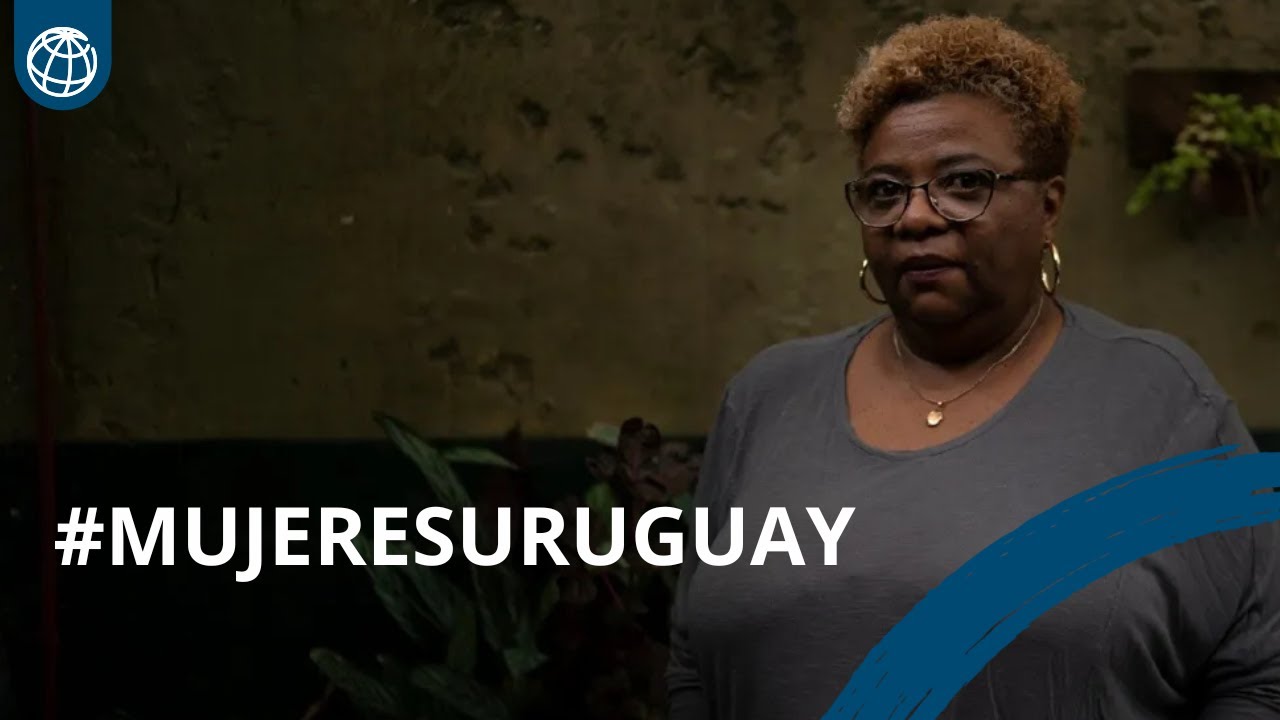
Similar situations occur in other countries. For example, according to 2020 data, gender inequality may have cost Uruguay 13 percent of its per capita GDP. In other words, Uruguay could generate up to US$2,100 more per person if women participated in the labor market on equal terms with men.

The region has the second-highest adolescent fertility rate in the world. When women work and earn their own income, the positive effects extend to their families and communities: investments in child education and health increase, gender-based violence declines, and community support networks are strengthened.
New Opportunities
Digitalization and the knowledge economy offer unique opportunities to close the gender gap in employment. Over the past decade, remote work and digital platforms have allowed many women to access new job opportunities without the traditional barriers of in-person employment.
However, the digital gender gap remains a challenge. Women in the region’s countries are up to 19 percentage points less likely than men to have access to the internet. Closing these gaps is essential for their inclusion in the growing digital economy.
In Guatemala, through the DIGITAGRO project, World Bank experts developed digital tools to connect small-scale women farmers in the department of San Marcos with a national initiative to register them as suppliers for school meal programs. After the campaign, the proportion of women who knew how to register as suppliers increased by 21 percent, sales of animal-based products grew by 12 percent, and the prices received by women entrepreneurs rose by 31.5 percent.
Another major challenge is occupational segregation. Women spend, on average, two to three times more time than men on unpaid domestic and caregiving tasks. In Latin America and the Caribbean, they are more likely to hold vulnerable and lower-paid jobs, although some Caribbean countries are exceptions.
Training in digital skills and STEM (science, technology, engineering, and mathematics) is a key strategy to diversify job opportunities and ensure access to better-paying and more stable employment. Currently, across the region, the proportion of women with tertiary education graduating from STEM programs is two to three times lower than that of men.
In Argentina, in 2024, the World Bank supported a mentoring program for women working in engineering and energy, aimed at strengthening their professional development. “It was great to share experiences with women facing the same challenges as I do in trying to establish a place for ourselves in the industry,” says Ana Laura Soalleiro Arias, an analyst at a multinational energy company. “It helped me gain perspective on what I can do in the future and how to overcome challenges that others have already faced.”

Toward Gender Equality in the Workforce
Achieving gender equality in the workforce in Latin America and the Caribbean requires coordinated and sustained efforts. That is why the World Bank works across the region, supporting social development programs in collaboration with national and regional governments. In Brazil, 31.65 million women benefited from the Bolsa Familia program, representing 58.2 percent of the population served. Between 2011 and 2021, women’s employment in Brazil grew by 25 percent, while employment among Afro-Brazilian women increased by 50 percent following the program’s implementation.
The interventions of the World Bank and other organizations have been fundamental, but much remains to be done. Ensuring that women have equal employment opportunities is not only a matter of social justice but also a crucial strategy for economic growth and the well-being of the entire region. Investing in female employment is an investment in a more equitable, prosperous, and sustainable future for all.
RELATED
- lp-body-content
- first-letter