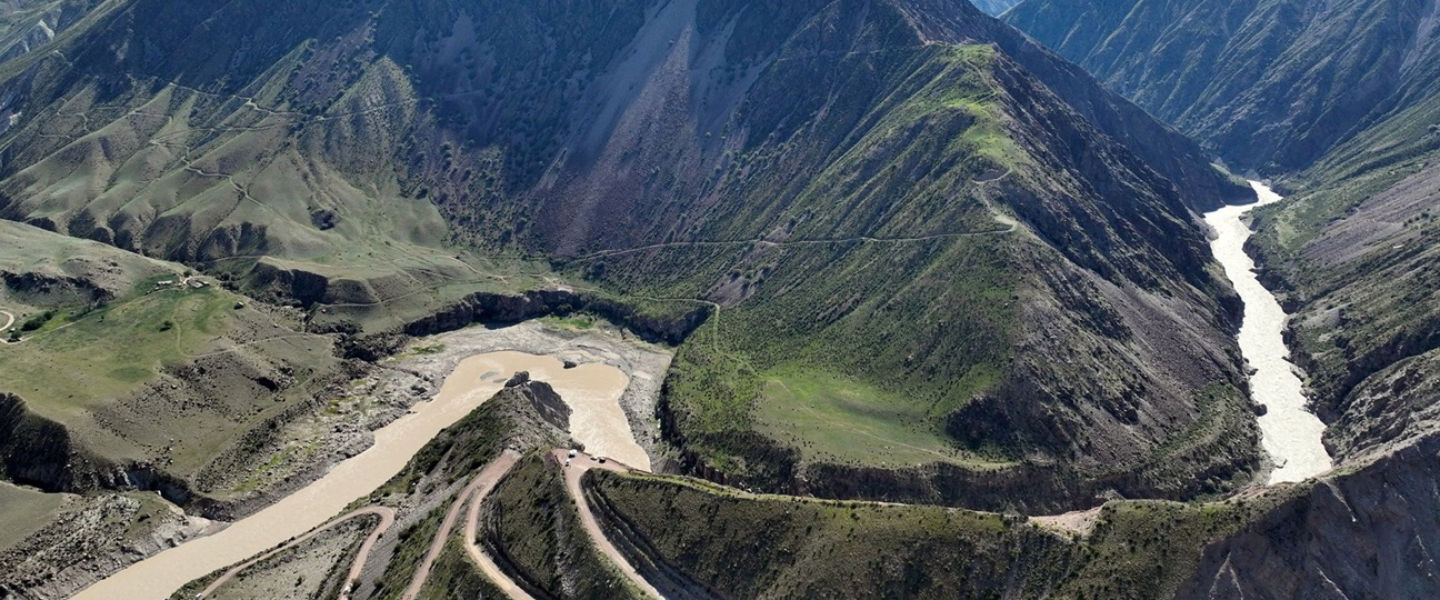
The Kyrgyz Republic, Kazakhstan, and Uzbekistan are joining efforts to develop the Kambarata-1 Hydropower Plant (HPP) on the Naryn River. Expected to generate around 6,000 gigawatt hours (GWh) of electricity annually—equivalent to about half of the Kyrgyz Republic’s current supply—this regional initiative will help meet rising demand for energy in Central Asia and improve the use of water resources across the region.
The Kyrgyz Republic and its Central Asian neighbors face severe energy shortages in the winter, when demand spikes. This often forces costly imports of polluting fuels and leaves energy security at risk. With demand across the region projected to at least double by 2050, Central Asian countries urgently need affordable, reliable, and sustainable power to improve lives and sustain growth.
Water is equally critical for Central Asia’s shared prosperity. The region is projected to face an extremely high risk of water scarcity by 2040, making strong cooperation across borders essential. By producing power in winter, Kambarata-1 HPP also offers potential for improved water use in the region, while also reducing flood risks and protecting the existing hydropower cascade on the Naryn river.
The electricity generated will also accelerate the development of other sources of renewable energy, by providing balancing services to complement solar and wind power generation. The Kambarata-1 HPP project is estimated to create up to 7,000 jobs during construction and operation and, by expanding the power supply, it will spur economic growth more broadly.
Project Preparation
Delivering these benefits will require major new infrastructure. The Kambarata-1 HPP involves constructing a 261-meter-high greenfield concrete dam on the Naryn River in the Kyrgyz Republic. The Kambarata-1 HPP will be located upstream of an existing cascade, which includes Kambarata-2 HPP and the Toktogul Reservoir, along with other downstream hydropower plants.
Since 2023, the World Bank has been providing technical assistance to help the Kyrgyz government ensure that the Kambarata-1 HPP meets international standards for design, safety and implementation and that it adheres to the Bank’s Environmental and Social Framework. The Bank has helped the government establish international expert panels on dam safety and on environmental and social issues. In addition, the Bank is working with the participating governments to engage stakeholders through public consultations at the local, national, and regional levels.
In June 2024, the Kyrgyz Republic, Kazakhstan, and Uzbekistan signed a groundbreaking ministerial agreement to collectively pursue the project. An intergovernmental working group is in place, and the Kyrgyz Republic’s Ministry of Energy is serving as the implementing agency during the first phase. A joint venture entity will subsequently be established to manage project development and operations on behalf of the three countries during the second phase of project implementation.
Developing the project jointly offers several key advantages. It reduces the fiscal burden on the Kyrgyz Republic and enables financing to be mobilized jointly by the three countries. It promotes commercial viability through strong export power purchase agreements and opens the project benefits for all countries.
Building on the results of preparatory work, the World Bank is considering providing financing for the construction of Kambarata-1 HPP. In addition, the Bank is assisting the Governments of Kazakhstan, Kyrgyz Republic, and Uzbekistan in exploring potential financing from other development partners and is coordinating their involvement.
For a full list of World Bank project documents, visit the World Bank’s project page.
Key Documents
Project Information Document [January 3, 2025]
Stakeholder Engagement Plan [August 8, 2025]
Environmental and Social Management Plan (ESMP) [August 15, 2025]
Livelihood Restoration and Resettlement Framework Kambarata-1 HPP [August 16, 2025]
Draft of Environmental and Social Impact Assessment Report - Executive Summary [August 15, 2025]
Draft of Environmental and Social Impact Assessment Report (Chapters 1-5) [August 15, 2025]
Draft of Environmental and Social Impact Assessment (Chapters 6-9) [August 15, 2025]
Draft of Environmental and Social Impact Assessment Report (Chapter 10) [August 15, 2025]
Draft of Environmental and Social Impact Assessment Report (Chapters 11-14) [August 15, 2025]
Draft of Environmental and Social Impact Assessment Report (Chapters 15-18) [August 15, 2025]
Concept Environmental and Social Review Summary [January 2, 2025]


