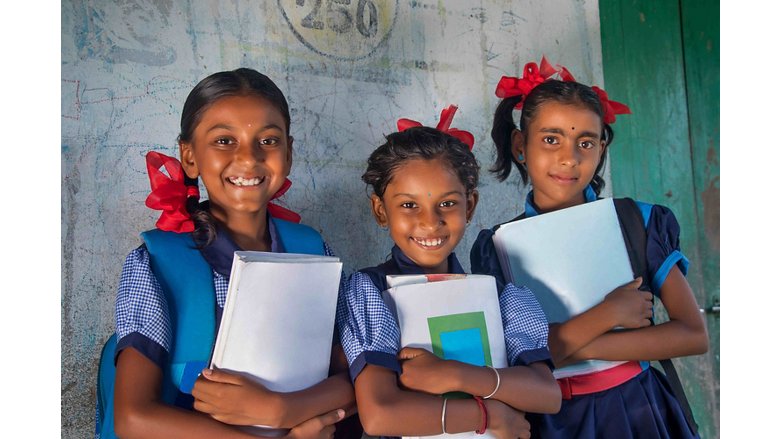
The 2025 International Day of Education inspires reflectionson the power of education to equip individuals and communities navigate, understand and influence technological advancement. This year the focus is "AI and Education: Preserving Agency in a World of Automation.”
Digital technologies are permeating education at unprecedented speed and scale. The possibilities of using digital solutions to enhance teaching and learning, and to revolutionize educational processes bring opportunities and challenges. On #EducationDay, we explore how countries can leverage digital solutions to build equitable, relevant, and resilient education systems with a positive impact on learning outcomes.
Empowering Adolescent Girls: The Agency to Navigate Digital Technologies
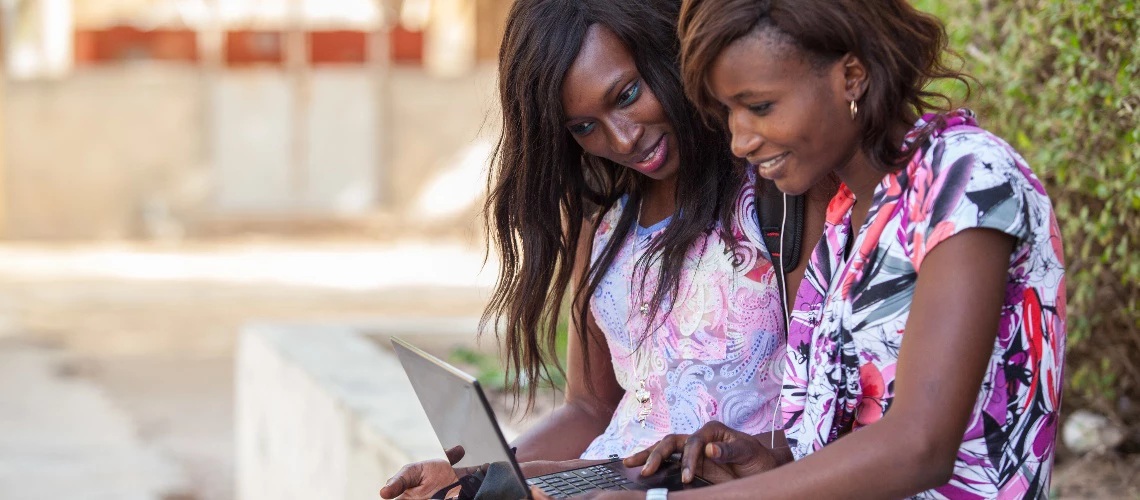
Jan 22, 2025 -- Global experts discussed how digital technologies can bridge the gender divide, the potential risks they present for adolescent girls, and the critical role that education and digital literacy can play in mitigating those risks. The discussion highlighted effective practices and innovative solutions to empower adolescent girls to harness technology responsibly.
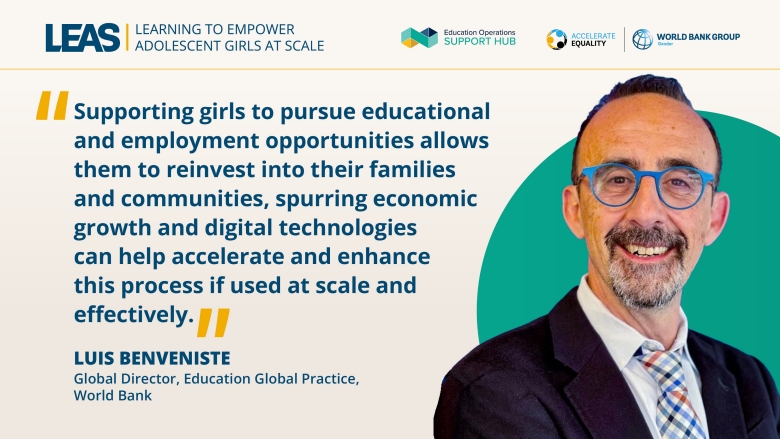
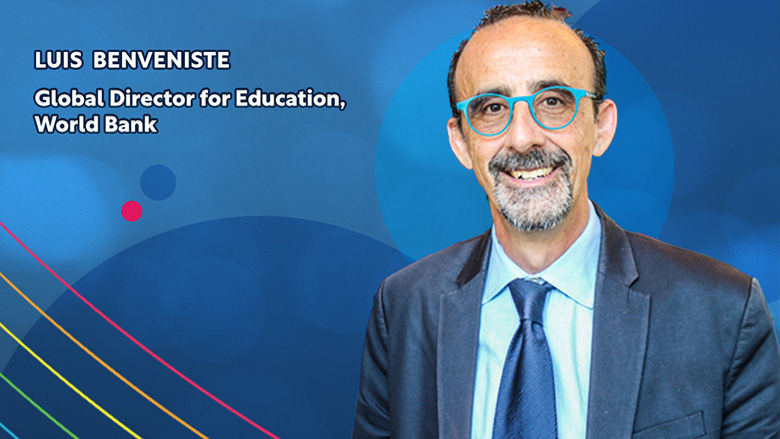
Luis Benveniste, Global Director, Education Global Practice, World Bank
Antara Ganguli, Director, United Nations Girls' Education Initiative (UNGEI)
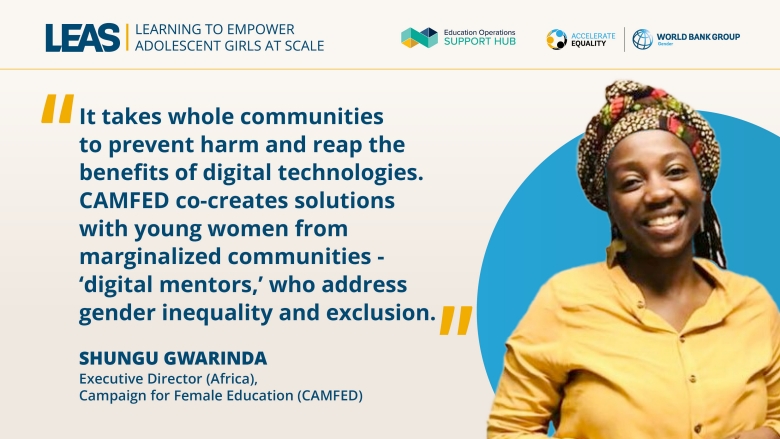
Shungu Gwarinda, Executive Director (Afr), Campaign for Female Education (CAMFED)...
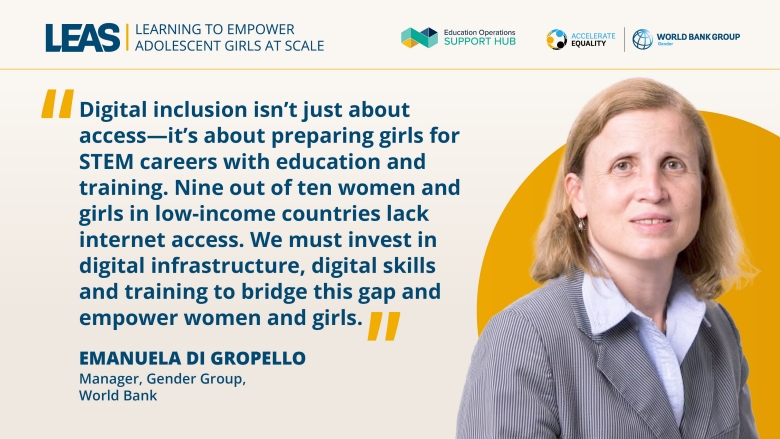
Emanuela Di Gropello, Manager, Gender Group, World Bank
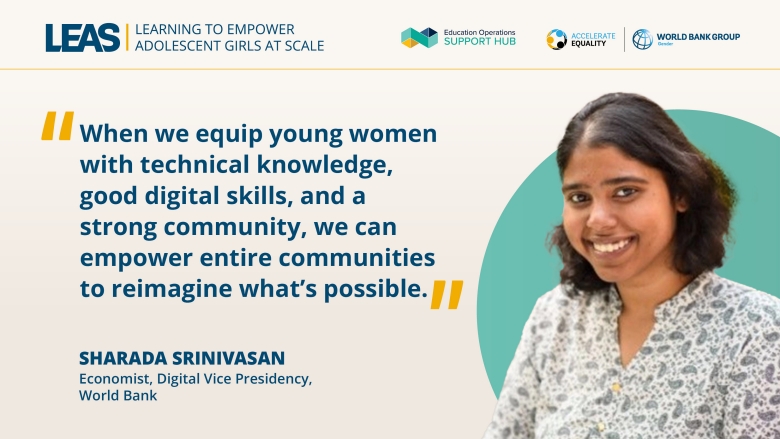
Sharada Srinivasan, Economist, Digital Vice Presidency, World Bank
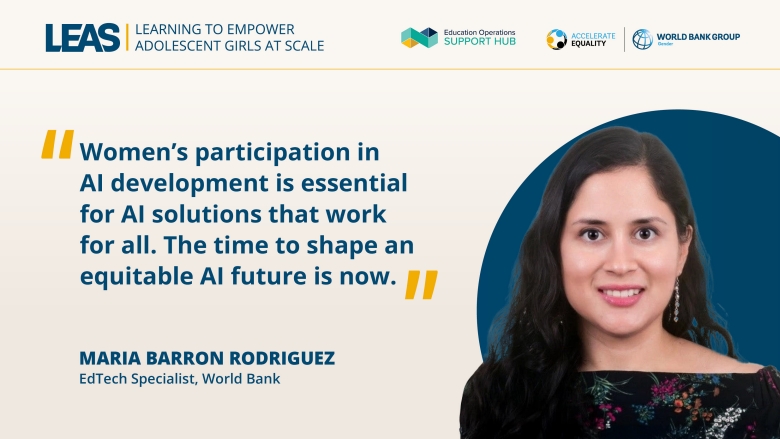
Maria Barron, EdTech Specialist, World Bank
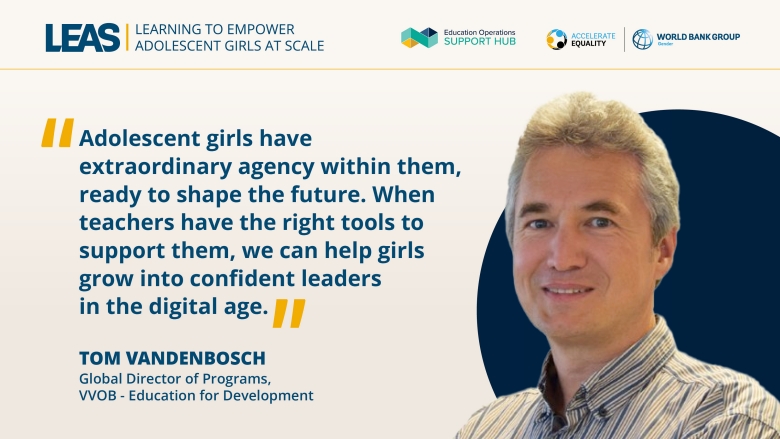
Tom Vandenbosch, Global Director of Programs, VVOB - Education for Development
How can countries leverage digital solutions to build equitable, relevant, and resilient education systems with a positive impact on learning outcomes? The event and publication address what policymakers can do when undertaking digital transformation reforms in education and skills development systems.
International Day of Education is a chance to remember that learning begins well before children enter school. All children deserve to benefit from the power of books and stories. Making books available to all children is essential if we are to end learning poverty and equip children with the skills they need to succeed in the jobs of the future.
#StartTheStory with us!
To mark The International Day of Education on January 24, 2024, the hashtag #StartTheStory on social media highlighted the pivotal power that books, stories, and reading materials have in transforming lives and building better futures.
Becoming a reader is a complex process which requires lots of support and practice. Children who grow up in homes with lots of books and being read to regularly are at an advantage compared to kids in bookless homes.
The World Bank is taking a practical and collaborative approach to start the story for more children and ensure they grow up as readers and learners. The World Bank’s Literacy Policy Package and Early Grade Reading Rainbow are among the many evidence-based resources that have been developed to support literacy for all.
Between FY19-FY23, World Bank Group-supported educational programs that benefited close to 500 million students globally, including 53 million in countries affected by fragility and conflict.
In 2020, the World Bank, Bill & Melinda Gates Foundation, FCDO, UNICEF, and USAID launched the Accelerator Program which coordinates efforts across the partners to ensure that the countries in the Program are showing improvements in foundational skills at scale over the next three to five years. The Accelerator Program acknowledges a global cohort of countries or sub-national entities that 1) demonstrate strong political and financial commitment to improved learning, 2) are willing to measure and monitor learning outcomes, and 3) have an investment plan to reduce learning poverty.
The World Bank is also working closely with UNICEF, UNESCO, FCDO, USAID, the Bill & Melinda Gates Foundation, and GPE as the Coalition for Foundational Learning to advocate and provide technical support to ensure foundational learning. The World Bank works with these partners to promote and endorse the Commitment to Action on Foundational Learning, a global network of countries committed to halving the global share of children unable to read and understand a simple text by age 10 by 2030.
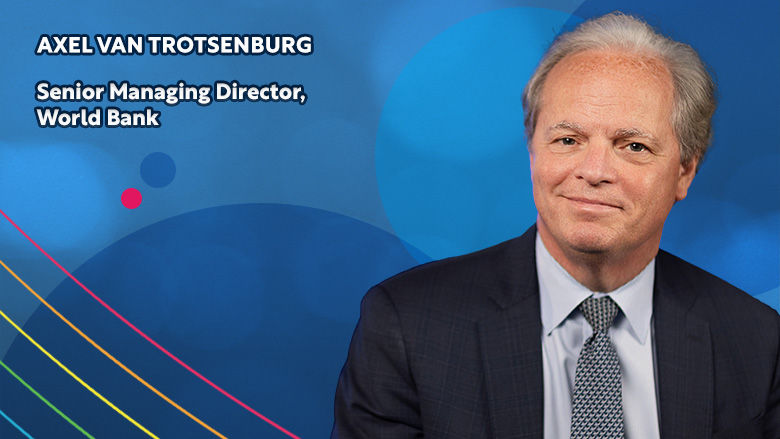
Luis Benveniste shares insights on the intersection of education and innovation
This site uses cookies to optimize functionality and give you the best possible experience. If you continue to navigate this website beyond this page, cookies will be placed on your browser. To learn more about cookies, click here.