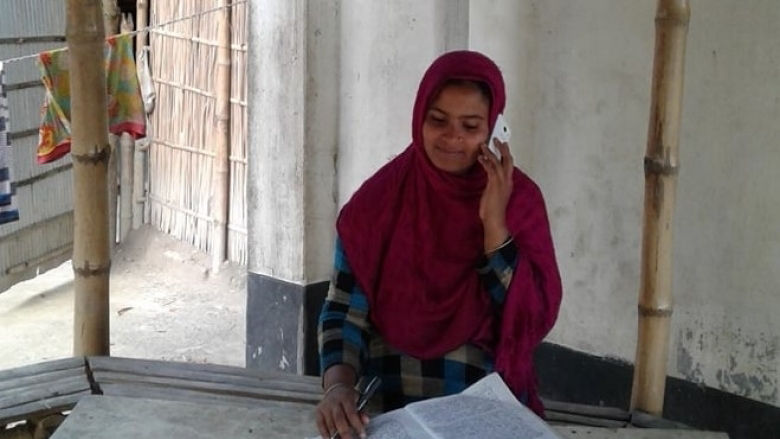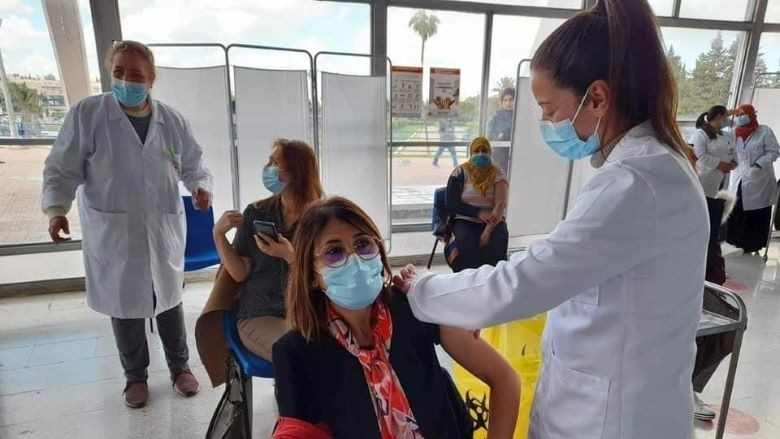
The Living Standards Measurement Study High-Frequency Phone Surveys initiative (LSMS-HFPS) has had a transformative effect on national statistical and data systems by complementing traditional in-person survey infrastructure with high-frequency data collection on priority and urgent issues.
Between 2020 and 2024, the LSMS-HFPS supported the conduction of 230,000 interviews and 120 survey rounds to track households in urban and rural areas, in partnership with six countries in Sub-Saharan Africa: Burkina Faso, Ethiopia, Malawi, Nigeria, Tanzania and Uganda.
In Burkina Faso, the phone survey sample has been drawn from the 2018/19 round of the cross-sectional survey that had been conducted under the West Africa Regional Program to Harmonize and Modernize Living Conditions Surveys.
In Ethiopia, Malawi, Nigeria, Tanzania and Uganda, the phone survey samples have been drawn from the latest round of the national longitudinal face-to-face household survey that have been supported by the World Bank Living Standards Measurement Study – Integrated Surveys on Agriculture (LSMS-ISA) program.
The face-to-face survey data are used for bias adjustment in the computation of sampling weights for the phone surveys and for expanding the time horizon and scope of longitudinal data analysis.
In each country, the implementing agency for the phone survey is the respective national statistical office (NSO) – with the exception of Ethiopia, where the LSMS has hired a private firm with clearance from the Central Statistical Agency.