col-xs-12
col-sm-12
col-md-12
col-lg-12

col-xs-12
col-sm-12
col-md-12
col-lg-12
videoType
embed-code
embedCode
<iframe src="https://worldbank.scene7.com/s7viewers/html5/VideoViewer.html?asset=worldbankprod/th-ploy-AVS&config=/conf/global/settings/dam/dm/presets/viewer/WB-Player-with-Social-Sharing&serverUrl=https://worldbank.scene7.com/is/image/&contenturl=https://worldbank.scene7.com/is/content/&posterimage=worldbankprod/th-ploy-AVS&videoserverurl=https://worldbank.scene7.com/is/content" width="100%" height="500" frameborder="0" allowfullscreen></iframe>
showAllTimestamps
no
showAllTranscripts
no
showTimestampAndTranscript
yes
col-xs-12
col-sm-12
col-md-3
col-lg-3
col-xs-12
col-sm-12
col-md-7
col-lg-7
- add-style
- lp-body-content
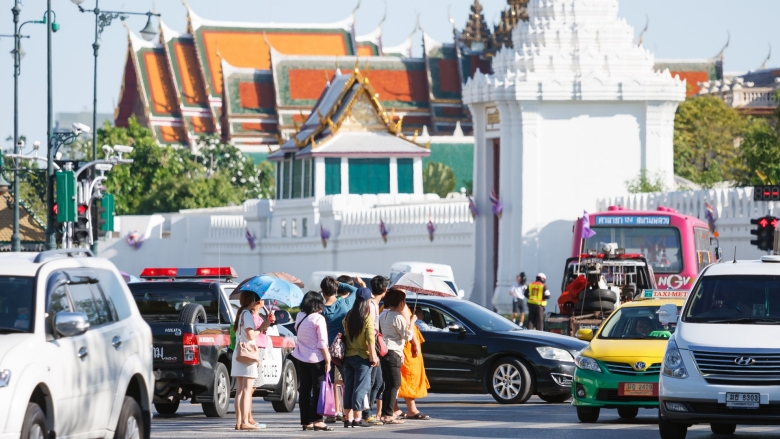
A rise in temperature by just 1°C could lead to over 2,300 deaths annually in Bangkok, along with THB 44 billion in lost productivity and THB 17 billion in extra electricity costs. Hear from Pichaya Moeller, Urban Development Consultant at the World Bank, on how early warning systems and other measures can help protect the city’s residents and infrastructure during heat waves.
RELATED
lp-heading-top-medium
lp-heading-bottom-medium
col-xs-12
col-sm-12
col-md-2
col-lg-2
everything
true
{"facets":[],"orderby":"contentDate desc","select":"*","searchFields":"*","search":"*","filter":"contentType eq 'Video'","top":20,"skip":0}
4
See Rest of Series
yes
no
yes