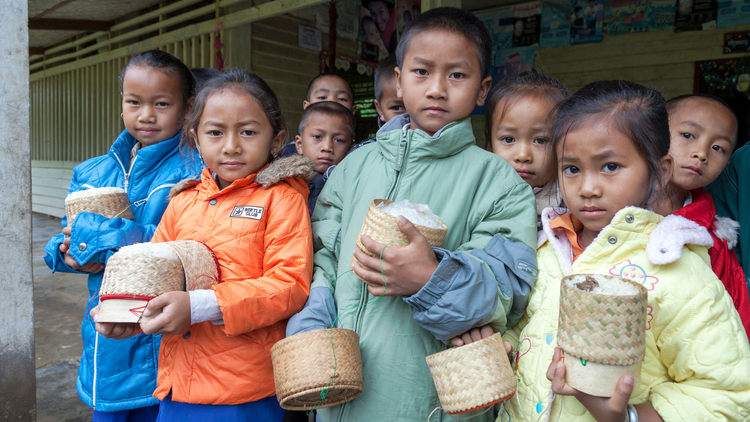
The World Bank Lao PDR Country Economic Memorandum explores how the country can take advantage of its strategic location and natural resources to seize opportunities and rebalance its economy for more inclusive and sustained growth. At present, a child born in today will only be half as productive as she could be if she enjoyed full health and education. Malnutrition continues to limit physical and cognitive development, with stunting affecting almost a third of children under five, while the maternal mortality rate is high, at 126 per 100,000 births in 2020.
Education also lags behind the results achieved in most regional and economic peers, with the resulting lack of skilled labor deterring investment in the country. As a consequence, agriculture remains the dominant employment sector and many Lao workers who have acquired skills are attracted by higher wages in neighboring Thailand. Investment in human capital can help Laos take advantage of its young population, while the funding of better roads and infrastructure will help those working the land connect to emerging trade routes and substantial markets, bringing capital back to rural areas.