


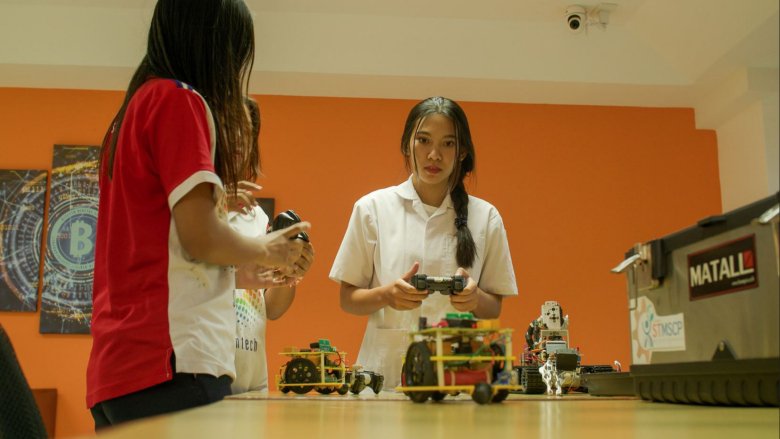
Despite Thailand's education system undergoing significant changes over the last three decades, a critical challenge remains. Many people in the Thai society, including children, youths, and adults, do not have the foundational abilities to achieve success in workplaces as well as effectively meet personal and societal needs.
A recent report by the Equity Education Fund (EEF) and World Bank "Fostering Foundational Skills in Thailand: From a Skills Crisis to a Learning Society" sheds light on this pressing issue. The report reveals a severe skills crisis in Thailand, where a significant number of youths and adults lack essential reading literacy, digital, and social-emotional skills. Alarmingly, two-thirds of Thailand's youth and adults struggle to comprehend basic texts, making tasks like following medical instructions difficult. Moreover, three-quarters of them find it challenging to perform basic online functions due to lack of digital skills, making everyday tasks like exploring competing products on the internet difficult. Additionally, about one-third of youth and adults perceive difficulties in connecting with others and exploring new horizons, which signals limitations in the so-called socioemotional skills.
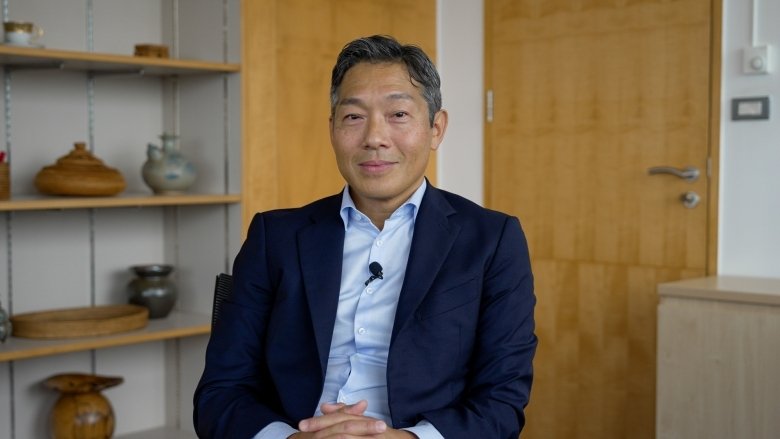
Koji Miyamoto, senior economist at the World Bank’s Education Global Practice, emphasizes the importance of these skills. He said, "These skills are not just prerequisites to undertake any everyday tasks such as ordering food from the internet and teamworking in workplaces; they form the basis for developing advanced abilities like coding and robotics. Moreover, these skills enable people to adapt smoothly to unexpected situations, such as sudden shifts to remote work, health crises, or natural disasters. These skills create vast opportunities while strengthening our economy and society in unprecedented ways."
The report highlights the economic benefits of tackling the skills crisis can be considerable. Improving the foundational skills of Thai youth and adults is associated with an increase in GDP by up to 20%, helping to stimulate growth in the following years.
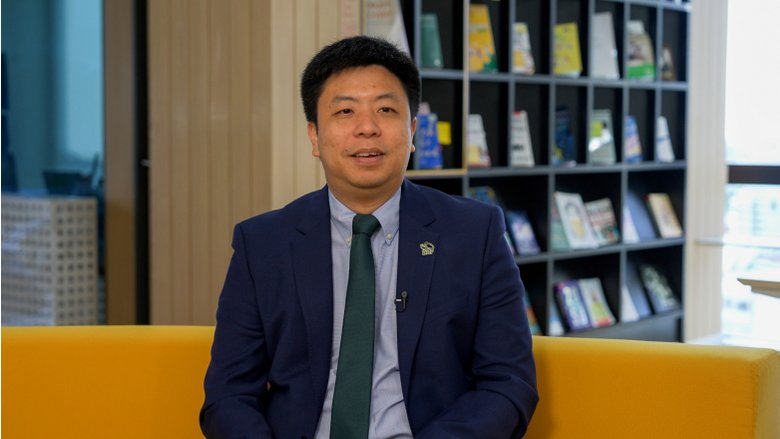
The Thai government is aware of the pressing need to bridge the educational gap in the country. Dr. Kraiyos Patrawart, Managing Director at EEF, emphasized Thailand's potential to become a hub for national investments and achieve sustainable economic growth through strategic research and policy initiatives. According to him, "Thailand, positioned favorably in comparison to other Asian countries, offers abundant opportunities for collaboration with international partners. However, fully harnessing these prospects hinges upon closing the skills gap we have identified in our research." He further emphasized the urgency of prompt and effective action within the education system, citing Thailand's aging population and declining birth rates. He asserted, "With only 500,000 babies born annually, we cannot afford to let a single individual miss the chance to improve themselves. By addressing this issue head-on and implementing policies that yield positive outcomes, Thailand can foster economic growth and prosperity."
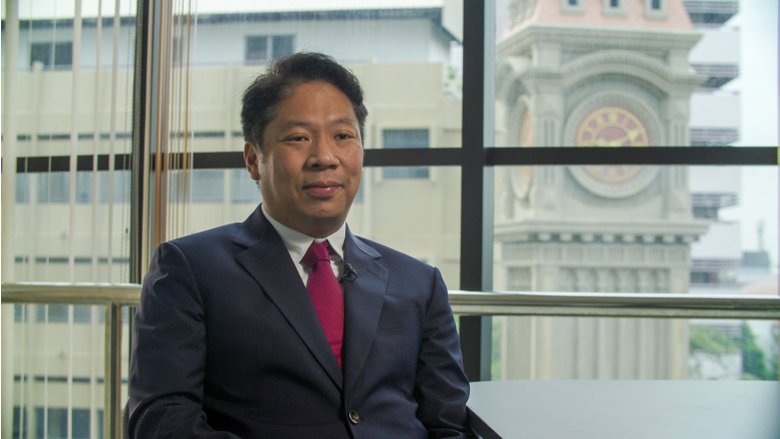
Acknowledging the gravity of the issue, educational institutions like Siam Technology College have initiated innovative programs centered around outcome-based learning, industry collaboration, and globally recognized certifications.
Dr. Jomphong Mongkhonvanit, President at Siam Technology College, stressed the need for a shift in skill development. He emphasized, "Our reliance on traditional skills is no longer enough. The world is rapidly changing, intensifying global competition. To safeguard Thailand's competitiveness and ensure its survival, enhancing our people's skills is paramount. It is a challenging task, but a necessary one that requires active engagement and collaboration from the public sector and local communities."
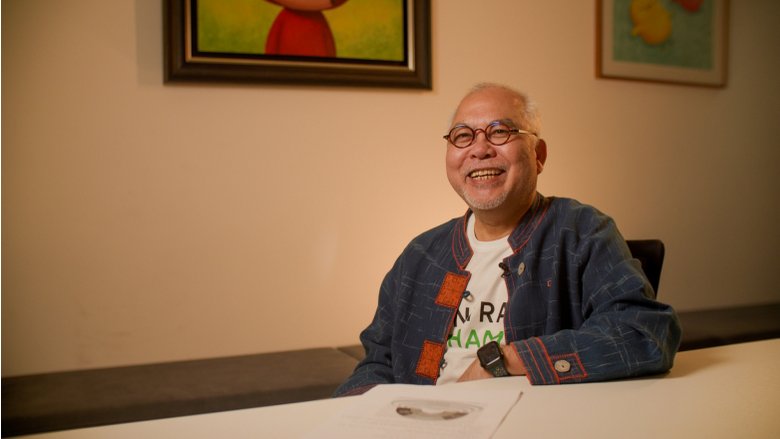
In alignment with the concerns raised within the education sector, Senior Vice President for sustainable growth at Central Group, Dr. Chartchai Norasethaporn, highlighted the existing mismatch between the skills produced by educational institutions and the actual requirements of the business sector. He elaborated, “We have identified a misalignment in Thailand's approach to human development and education systems. It appears that educational institutions are producing individuals whose skills do not align with the demands of the business world."
To proactively address this challenge, the Central Tham Campaign has been initiated. Dr. Norasethaporn elaborated on the campaign's approach, stating, "Central Tham's comprehensive model supports preschool-aged children, guiding them until they complete their vocational education. We aim to create a seamless continuum of support, starting from scholarships, enhancing both soft and hard skills, enabling them to pursue careers, and augmenting their knowledge and talents. This holistic approach ensures that upon completion, they possess the necessary skills, making them readily employable, easing their transition into the workforce."
At the moment, Thailand is standing at a crucial crossroads. Drawing inspiration from global experiences and emerging best practices within the country, Thailand must embark on a collective journey. Coordinated efforts from policymakers, administrators, educators, and the private sector are necessary. At this pivotal moment, unity and collaboration will shape Thailand's future. With shared determination, challenges can transform into opportunities, ensuring a brighter tomorrow for every citizen.
