- font-medium
- bg_blue_05
- lp-body-content
- first-letter
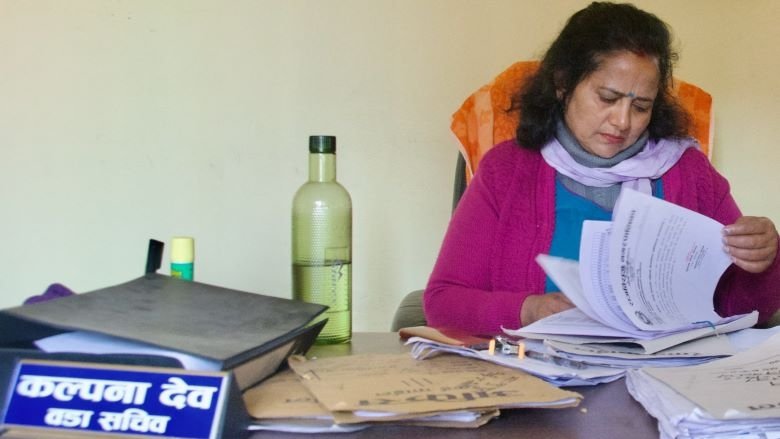
[tweetquote:[tweetText=Kalpana Deo, ward secretary at ward no. 7 of Rajbiraj Municipality in southern Nepal has many responsibilities,tweetData=WorldBankNepal,tweetHash=]] that keep her extremely busy throughout the day. She is loved and respected in her community for always being available to help with people’s problems.
One of her jobs is to make sure that the social security allowances are distributed efficiently in her ward. Since she knows everyone, she follows up to make sure people are getting their money.
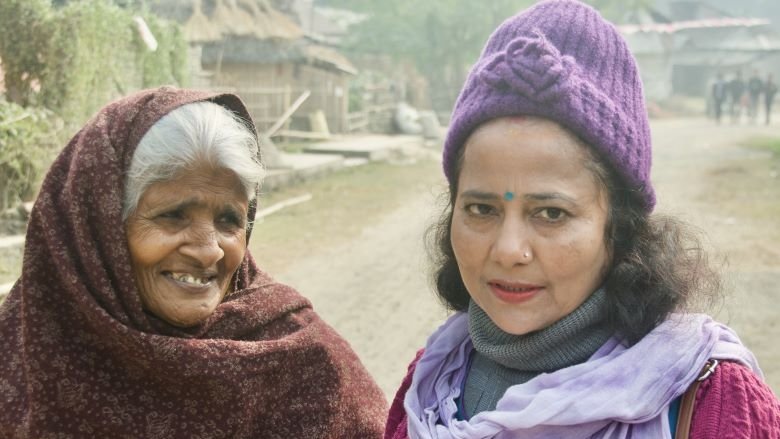
[tweetquote:[tweetText=The allowance is given to the most vulnerable in society, like the elderly and the disabled, who can easily be cheated out of their money by their own relatives or even by someone in authority.,tweetData=WorldBankNepal,tweetHash=]] “Many people in my ward depend on the allowance for their basic sustenance, so it is absolutely essential for me to make sure that they receive it,” she says.
- lp-body-content
- first-letter
- lp-body-content
[tweetquote:[tweetText=Ever since the social security allowances grants have been linked to the banking system, she says there are less chances of misuse or corruption,tweetData=WorldBankNepal,tweetHash=]], whether from the people or from the government's side.
“If handed over in cash, it can prompt people to misuse the money. There have been cases where other family members would take advantage of someone’s old age or disability and use the money for their own benefit,” she explains.
“I know there have been cases in wards where people have conspired to create false papers so they can abuse the system. That is now almost completely curtailed because of digitization,” Kalpana says.
Furthermore, [tweetquote:[tweetText= because of digitization of the beneficiary database, it is much more difficult for people to double dip or abuse the system by faking papers,tweetData=WorldBankNepal,tweetHash=]]. “I know there have been cases in wards where people have conspired to create false papers so they can abuse the system. That is now almost completely curtailed because of digitization,” she says.
[tweetquote:[tweetText=She says her workload has been made easier by these new systems, and the increased assurance of the system's integrity takes off some of the pressure in her own work ,tweetData=WorldBankNepal,tweetHash=]]so she can focus on her other duties.
In Nepal, over 3.5 million people receive Social Security Allowance (SSA). All SSA beneficiaries— the elderly, single women (mainly widows), persons with disability, children, and those belonging to endangered ethnicities — now receive allowances directly into their bank accounts. The transfer of the SSA into bank accounts has reduced issues of duplication, potential leakage of funds due to ghost beneficiaries, and delayed payments. Alongside the improved delivery of SSA, delivery of civil registration has also been modernized. Similarly, over 97 percent of wards (local government units) have shifted to online registration of vital events such as births, deaths, marriages, and migration.
The digitization of the cash transfers and civil registration, which has brought significant improvement in the service delivery at local levels in Nepal was supported by the World Bank-financed Strengthening Systems for Social Protection and Civil Registration Project (SSSPCR).
Read more stories and results
RELATED
- lp-body-content