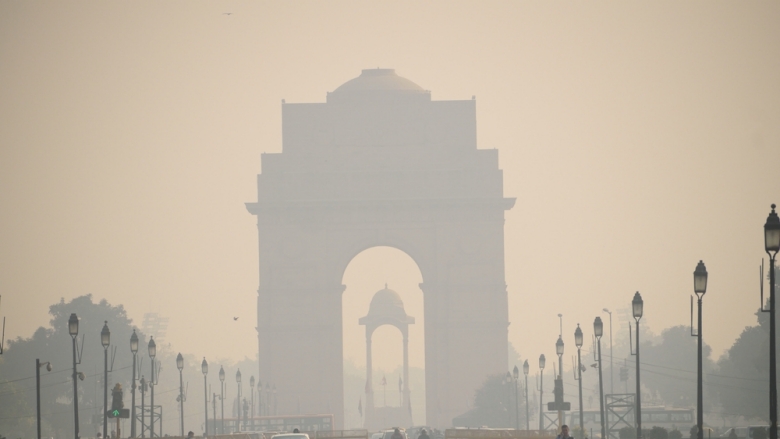
Air pollution presents a growing challenge to India’s development. Air quality has deteriorated across much of the country since 1990, and today, as many as 97 percent of the country’s population is exposed to unhealthy levels of ambient PM2.5. Recognizing this growing challenge, the Government of India (GoI) launched the National Clean Air Programme (NCAP) in January of 2019. The NCAP has set a time-bound goal for improving air quality across the country, with a focus on around 100 non-attainment cities where air pollution standards are not being met. As GoI tackles this challenge, policies, regulations, instruments, and institutions will need to be further strengthened to achieve substantial reductions in air pollution.
This workshop brought together international experts --- from Chile, China, European Union, Germany, Mexico, and United States, to share relevant experience on how their countries are tackling air pollution, with focus on: (i) institutional structures to implement an airshed-based management approach; (ii) legislative and regulatory instruments to incentivize state governments to implement air quality management plans; and (iii) the role of market-based instruments (MBI) in helping to achieve air quality standards.